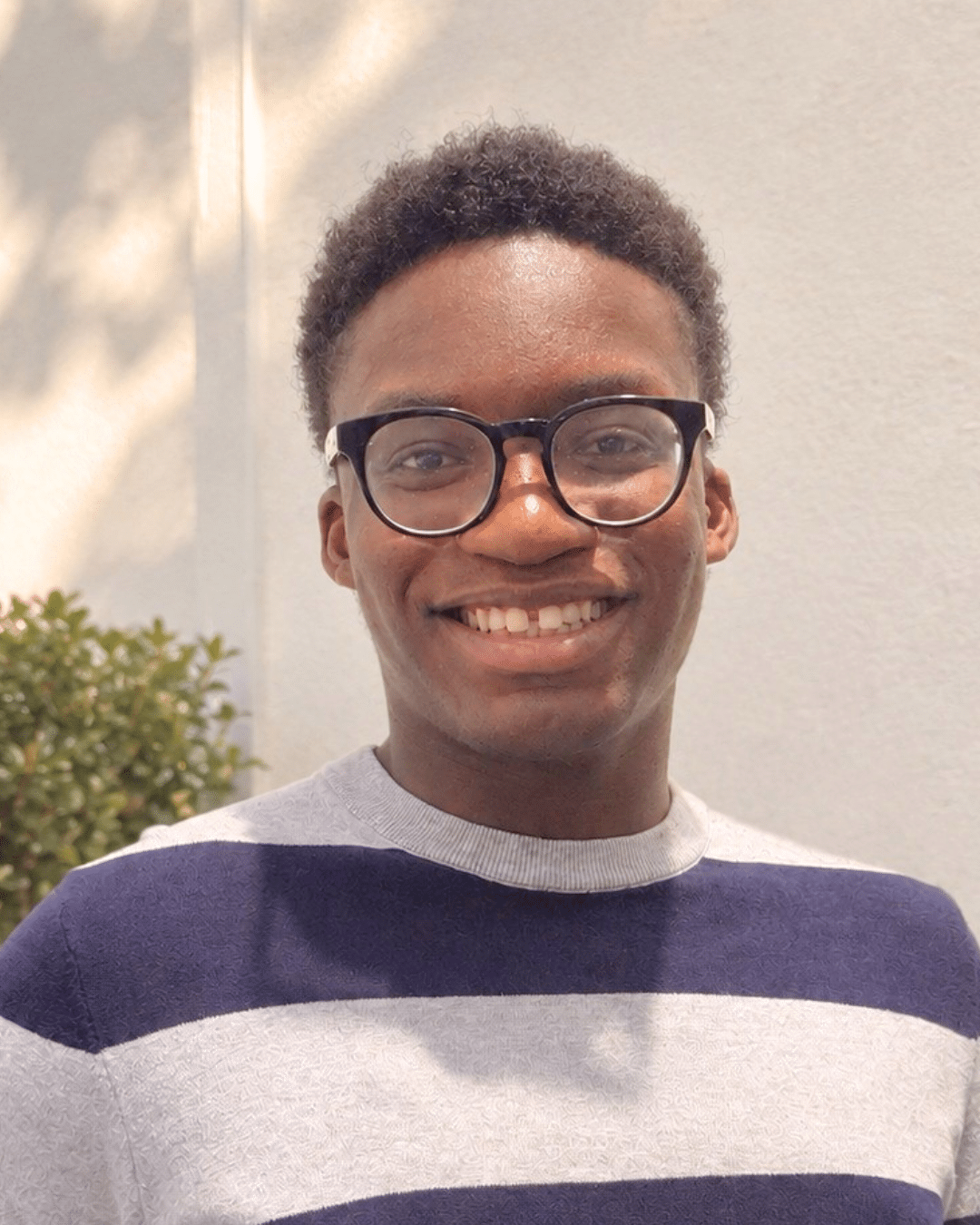
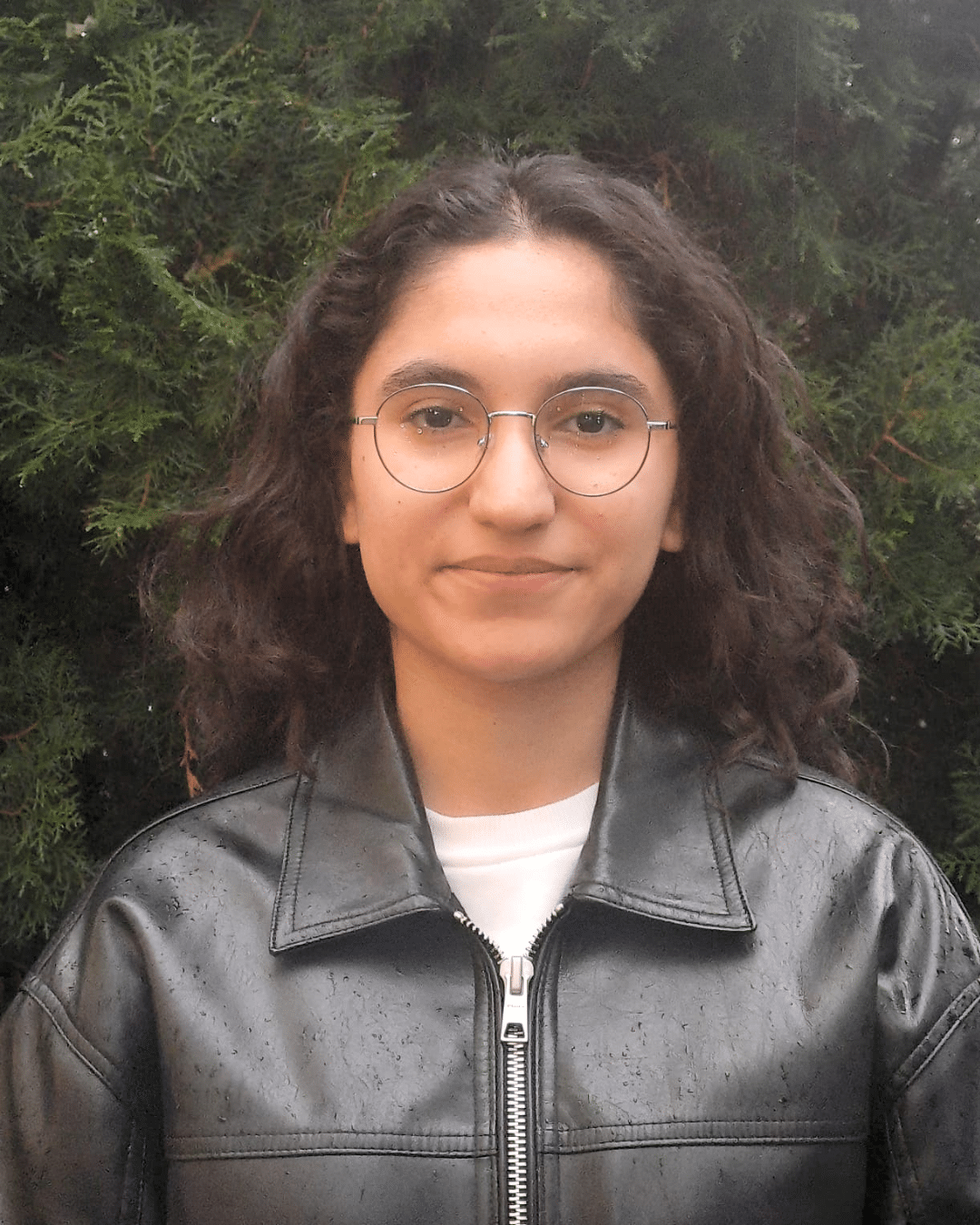
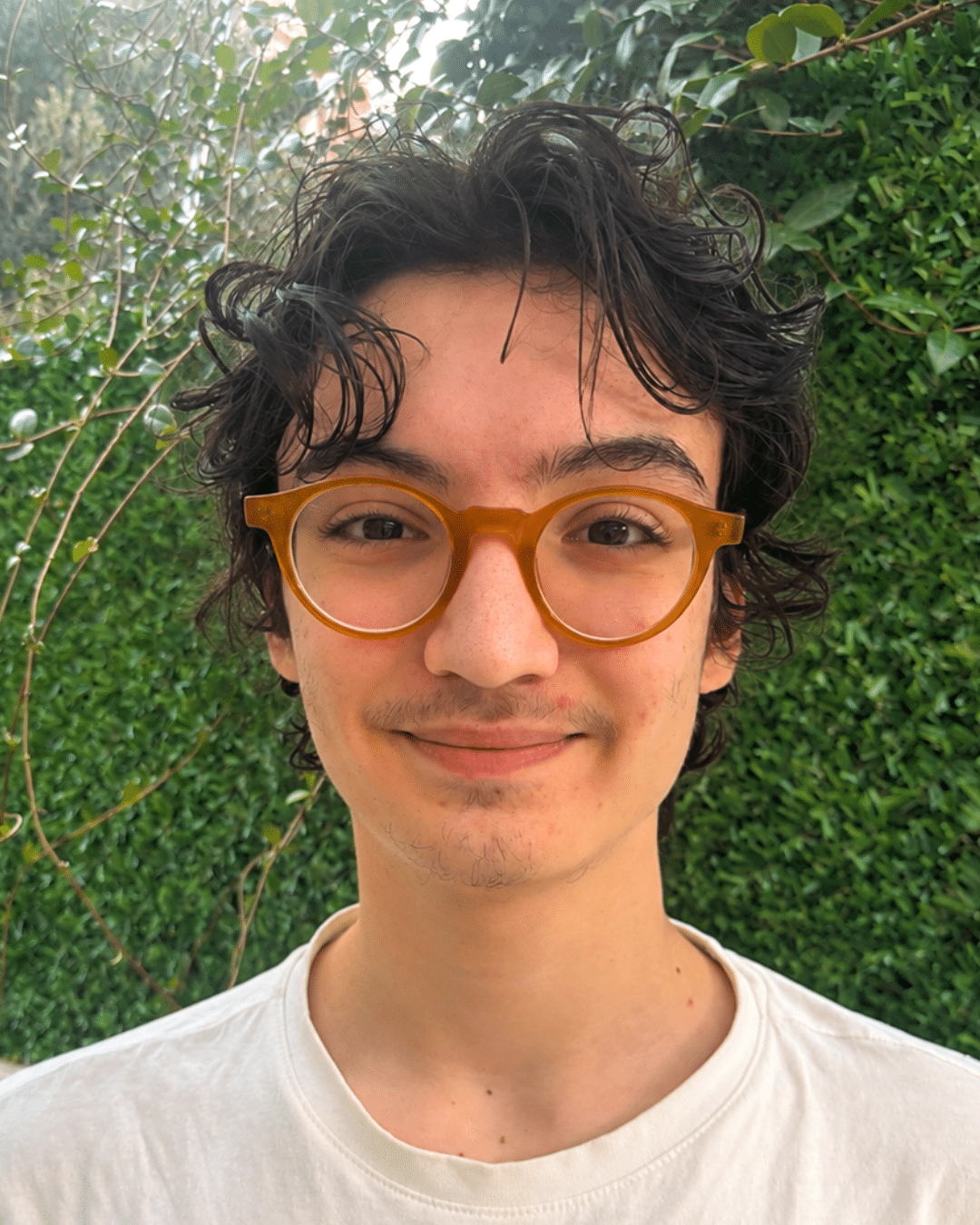
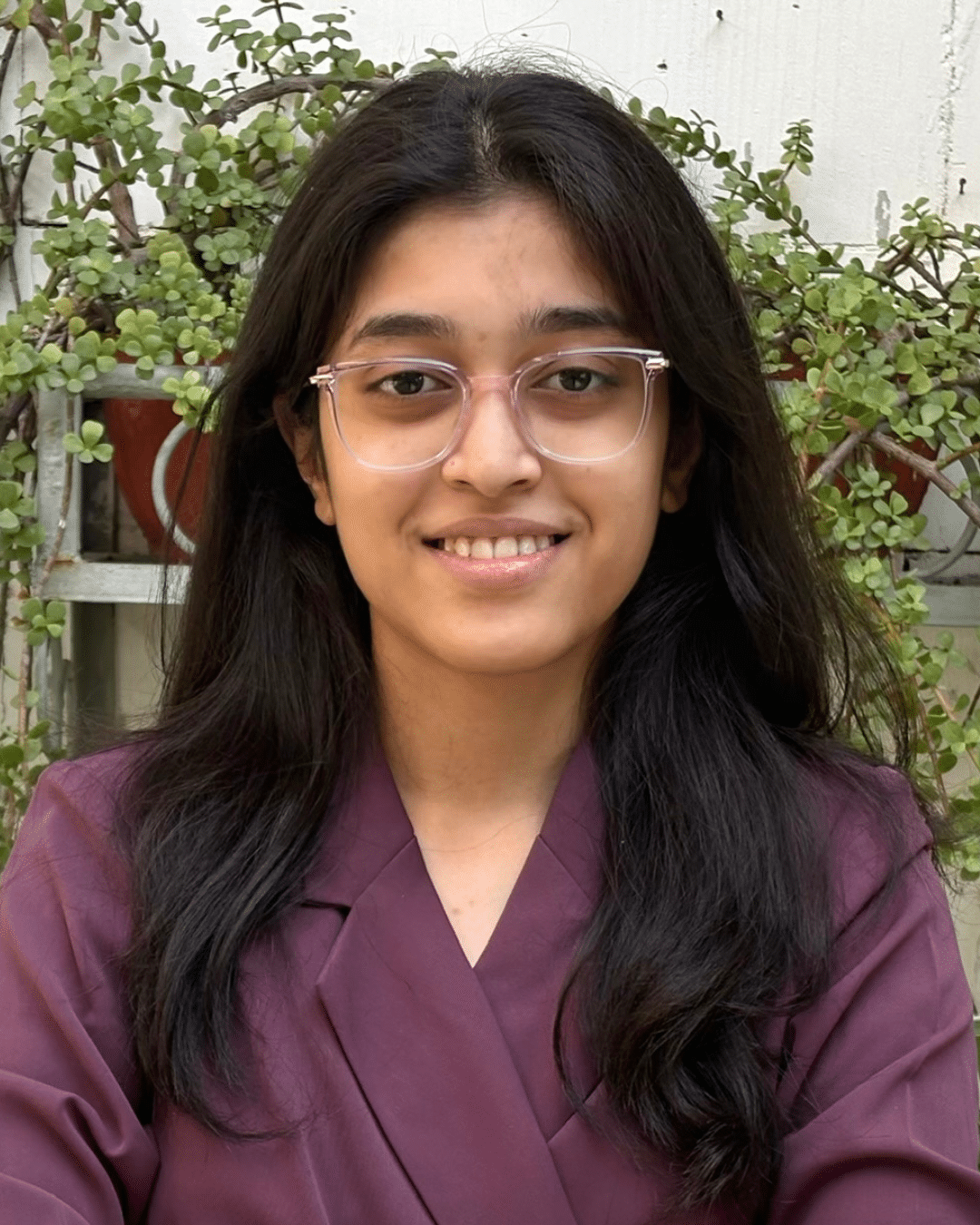
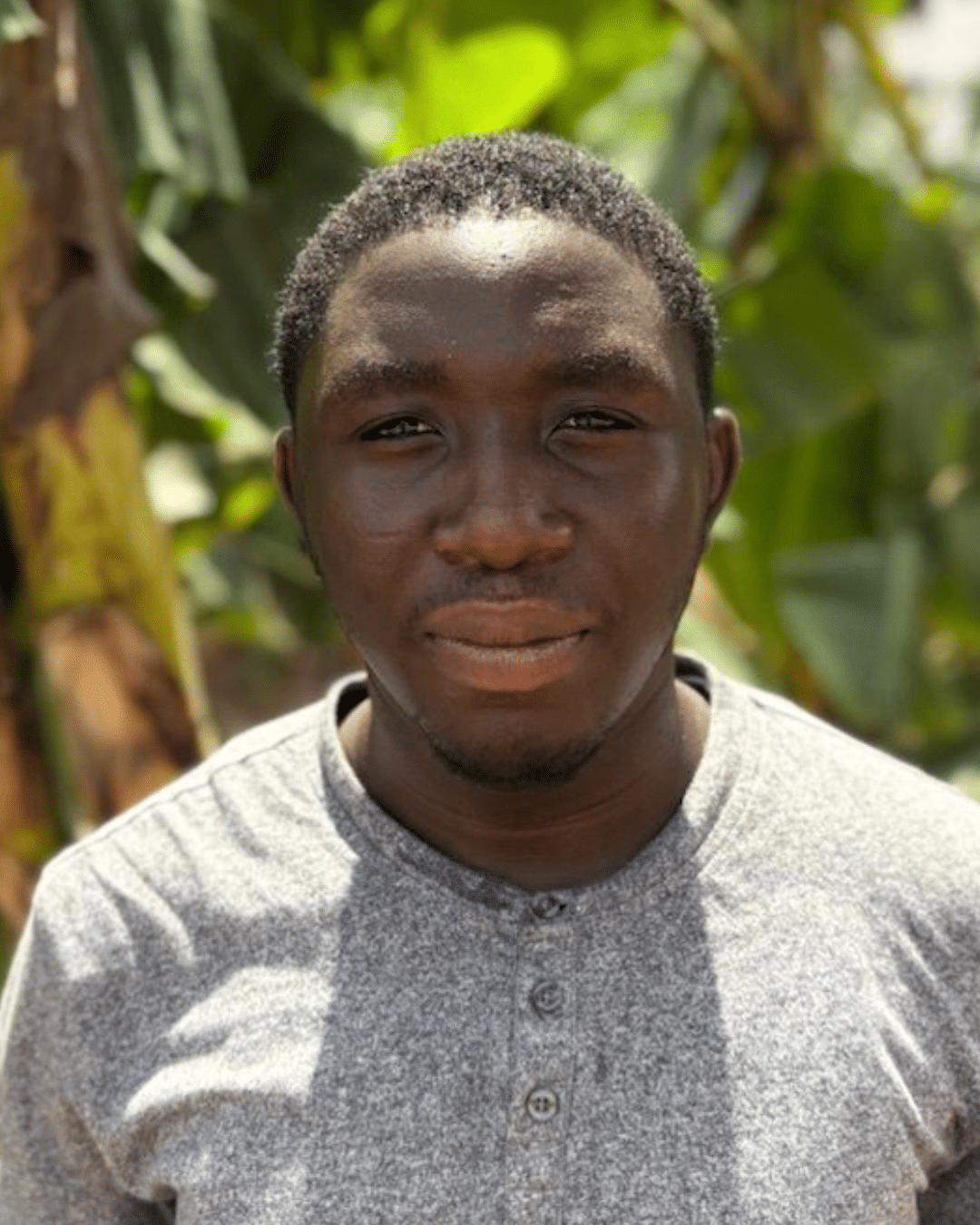
Gabriel Amponsah
Grayson High School, Loganville, Georgia, USA
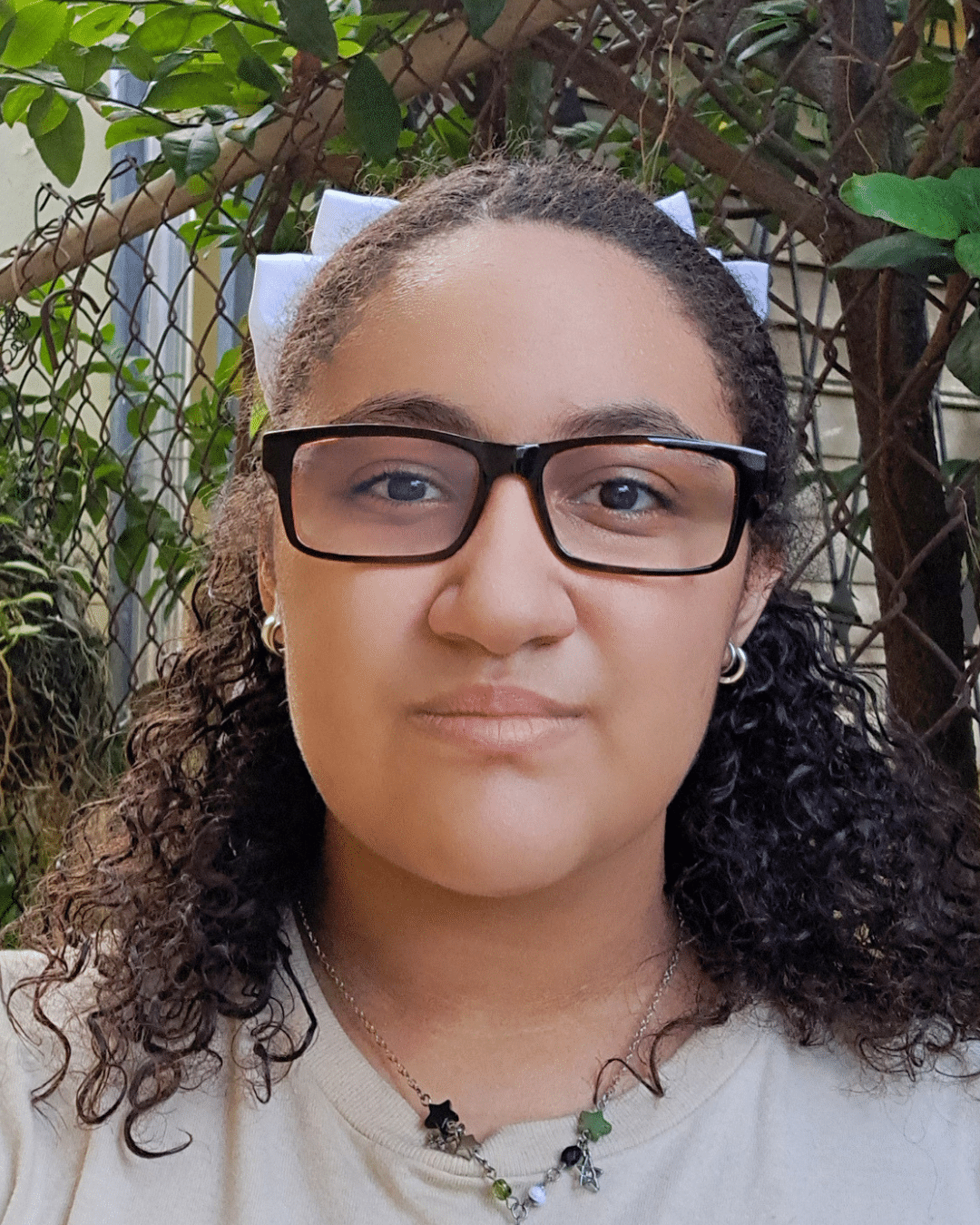
Gabriel Amponsah is a student at Grayson High School in Loganville, Georgia, with a strong interest in environmental sustainability and chemical engineering, particularly renewable energy and sustainable materials. He has explored these interests by developing thermally activated self-healing concrete using recycled plastics and participating in environmental workshops. He is also passionate about making sustainability more accessible to everyday people. Through Project Green Challenge, he is developing Swap the Single Use, a youth-led campaign encouraging people to reduce plastic waste through simple, affordable reusable alternatives. He hopes to combine his scientific curiosity, creativity, and community engagement to inspire meaningful environmental action.
Climate Action Project
Swap the Single Use is a campaign making plastic reduction more accessible through simple, everyday changes. The project challenges the idea that sustainable living must be expensive or require a complete lifestyle change, encouraging people to replace disposable products with reusable alternatives they may already own. Over five months, Gabriel aims to reach at least 50 people, recruit 10–20 participants, and collect 10 voluntary reports of completed reusable swaps. Activities include educational social media content, practical alternatives to common single-use plastics, and a seven-day reusable swap challenge. Gabriel will track participation, share progress updates, and evaluate the results.
Zümra Arslan
Galatasaray High School, Istanbul, Türkiye
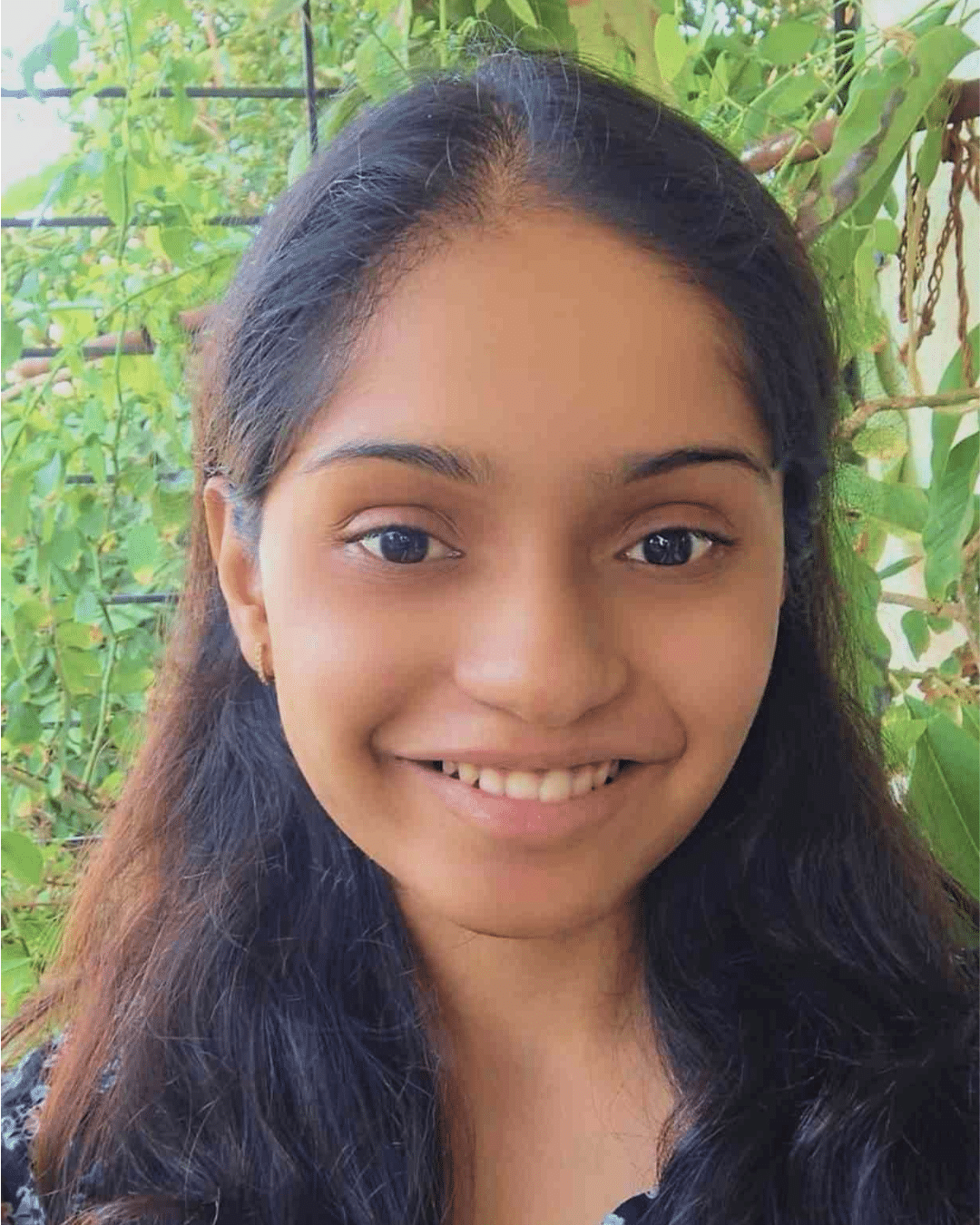
Zümra Arslan is a student at Galatasaray High School in Istanbul, Türkiye, originally from Bursa, where her family lives. As a boarding student, she travels between Bursa and Istanbul by ferry every two weeks, an experience that has made her more aware of plastic pollution in the Marmara Sea. She is particularly interested in environmental sustainability, biology, and science, and is passionate about finding practical ways to address environmental challenges. Through her experiences at school and involvement in environmental activities, she has developed a strong interest in youth-led initiatives, community engagement, and creating positive change through collective action.
Climate Action Project
VibeEco is a youth-led environmental network turning plastic awareness into collective, school-based action across Türkiye. The initiative connects student-led environmental clubs through a shared platform for coordinated campaigns, AI-powered tracking, and measurable sustainability goals. Participating schools will organize Plastic Collection Days and Zero-Plastic Days, share resources, and monitor progress in reducing single-use plastics. The AI system will help schools record and analyze waste data, identify unnecessary plastic use, and track changes over time. Starting with two schools, VibeEco aims to expand the network across Türkiye and reduce single-use plastic consumption by at least 25% at each participating school.
Ömer Bezircilioğlu
TED İzmir Private Anatolian High School, İzmir, Türkiye
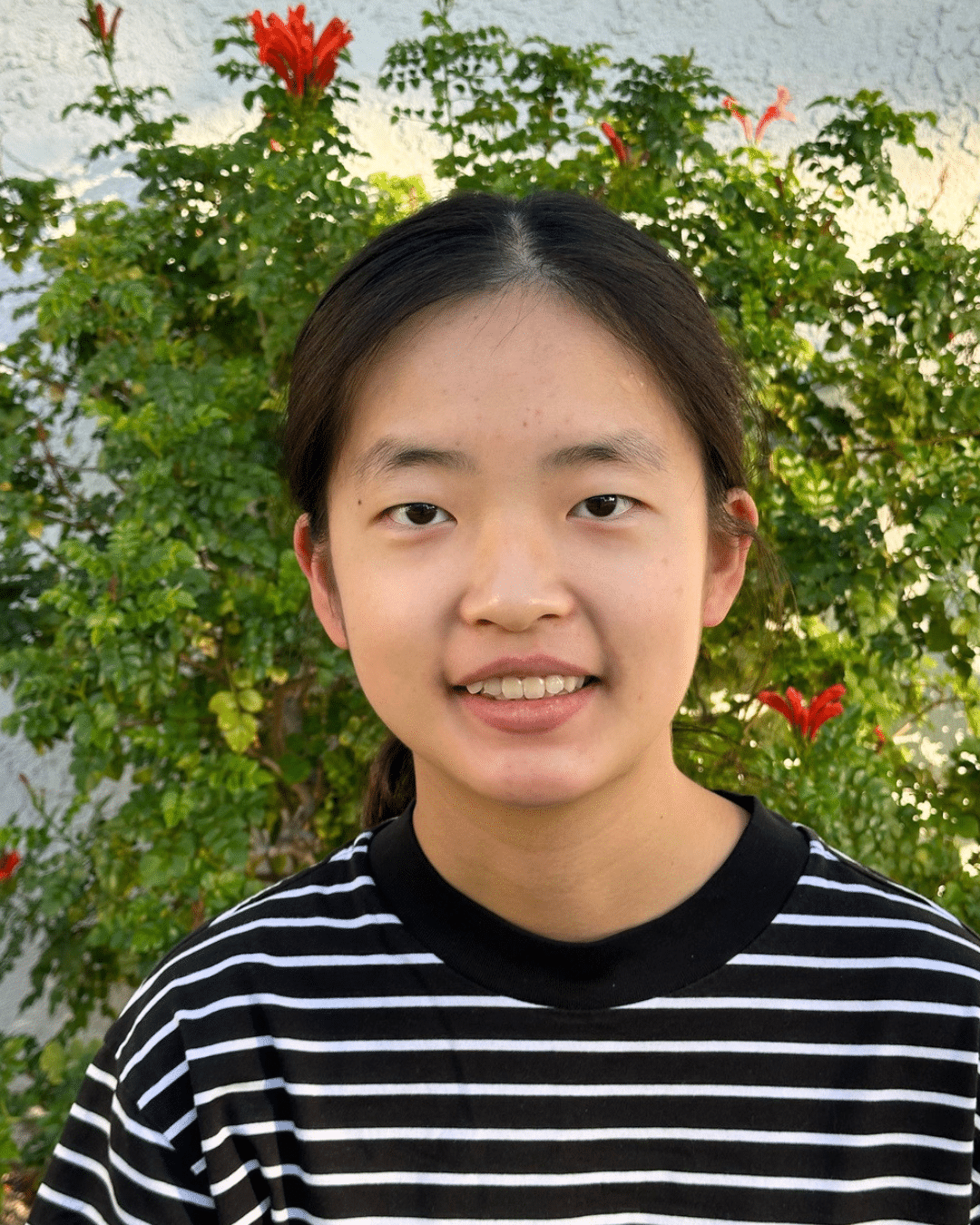
Ömer Bezircilioğlu is a student at TED İzmir Private Anatolian High School in İzmir, Türkiye. He loves reading and has a strong interest in science and history, with biology and English among his favorite subjects. Through Project Green Challenge 2026, he explored climate action in his community and raised awareness throughout the monthlong program. Ömer aims to continue raising awareness and exploring climate activism in more detail. He enjoys writing poetry and fiction, and wants to connect his talents and interests to make a difference. He also loves cold weather and nature.
Climate Action Project
The Second Harvest Project brings high school students and teachers together to rescue imperfect-looking produce that might otherwise be discarded. Working with market vendors, students will collect this produce and find useful applications for it, including cooking, skincare, and composting. The project aims to raise awareness of food waste, resource conservation, and the environmental consequences of rejecting edible produce based on appearance. Through hands-on participation, students and communities will learn practical ways to reduce waste.
Riya Haresh Bhingradiya
St. Edmund's School Jawahar Nagar, Jaipur, India
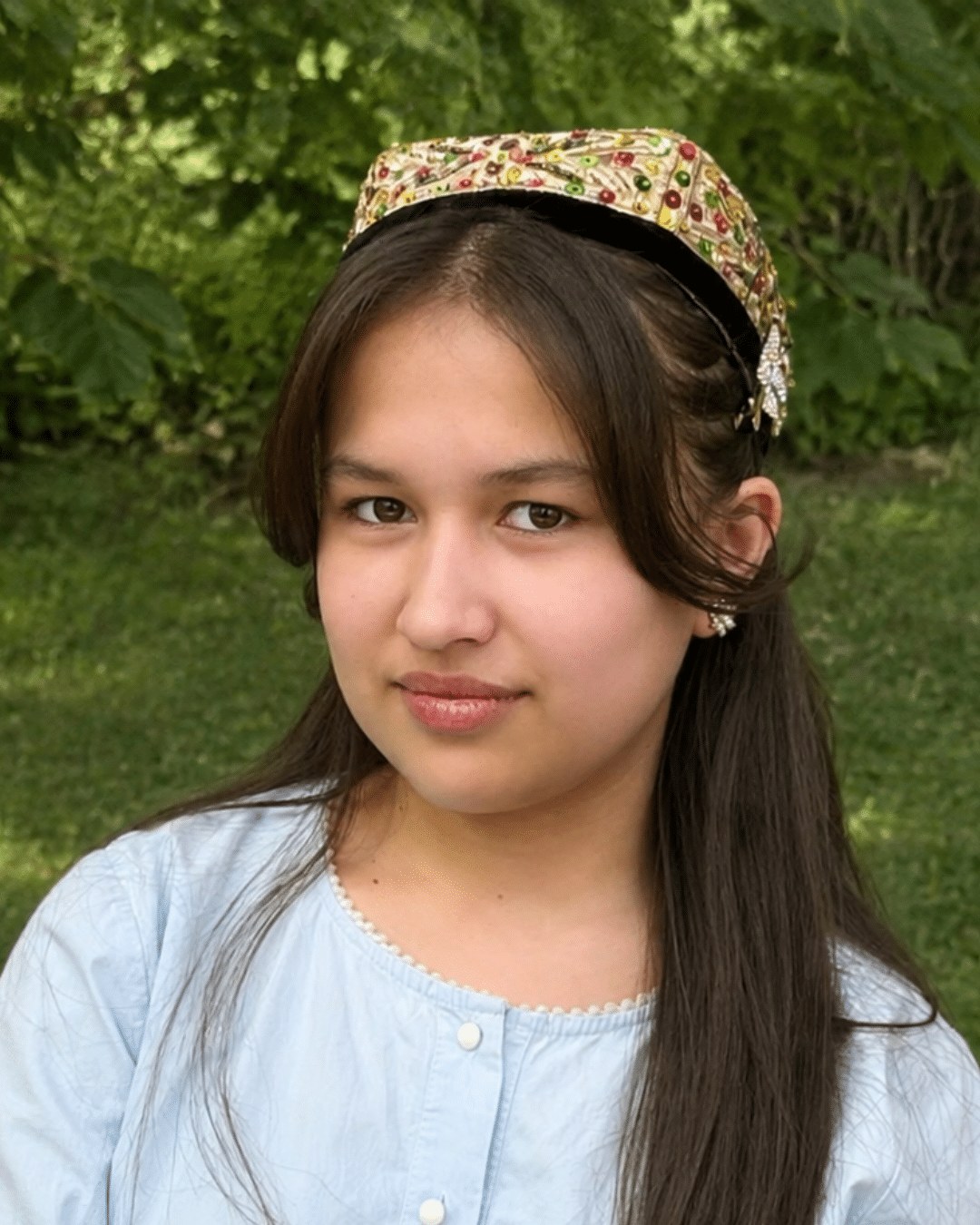
Riya Haresh Bhingradiya is a Class XII student at St. Edmund’s School in Jaipur, Rajasthan, India. Interested in mathematics, physics, and environmental sustainability, she enjoys exploring real-world problems and finding ways to create positive change. Through Project Green Challenge 2026, she explored local issues such as groundwater depletion and river pollution, stepped beyond her comfort zone, and began turning concern into action through Beyond the Bin, a household waste-prevention initiative for her neighborhood. She hopes to inspire others to see how small actions and shifts in perspective can lead to meaningful change.
Climate Action Project
Beyond the Bin: Count It. Prevent It. Prove the Difference. The project focuses on identifying where everyday household waste originates and preventing it at the source. Rather than concentrating only on disposal and recycling, the project examines the habits, choices, and systems that generate avoidable waste. Through household waste audits, Riya plans to identify major waste sources, test practical prevention strategies, and measure the results. The goal is to help households make informed changes based on what they actually throw away, turning waste awareness into measurable prevention.
Mia Antoniette Cruz Lebrón
Paradiso College Preparatory, San Juan, Puerto Rico
Mia Antoniette Cruz Lebrón is a high school junior born in Caguas and currently residing in San Juan, Puerto Rico, where she attends Paradiso College Preparatory. As an individual finalist in Project Green Challenge, she embodies a fierce, unwavering commitment to equity, social justice, and systemic change, guided by the foundational lesson from her mother to never be afraid to question the status quo. Never hesitating to stand up for what is right, Mia translates her deep moral conviction into bold, grassroots action, leading impactful initiatives for food sovereignty, textile circularity, and environmental justice across her island. To strengthen her advocacy, she recently completed college-level pre-law seminars through the Enlace con Escuelas Públicas Pro Bono program at the UPR School of Law, where she studied environmental law alongside fundamental legal fields such as constitutional, criminal, immigration, family, and contract law. Outside of her advocacy and frontline organizing, she channels her creativity and passion into reading, writing, singing, and photography.
Climate Action Project
Saboreando las Raíces addresses Puerto Rico’s school lunch challenges and heavy reliance on imported food, estimated at more than 85%. The initiative will transform underused school spaces into productive organic gardens and modular container gardens, including at schools with limited green space. Its strategies include co-design workshops with students, teachers, and local agronomists; integrating garden work with student service-hour requirements; and establishing composting and vermiculture systems linked to cafeterias, with a goal of cutting organic food waste by 50%. The project also proposes independent financial safeguards to support implementation. By engaging 100 students in soil-to-plate training, the initiative aims to strengthen food sovereignty and local resilience.
Purva Gavande
Vidya Valley Junior College, Pune, India
Purva Gavande is a Class 12 student at Vidya Valley Junior College in Pune, Maharashtra, India. She is a passionate environmental advocate with a keen interest in sustainability, climate action, and community-driven change. Her interests include nature, traveling, photography, research, and creative communication. Through Project Green Challenge, she has explored pressing environmental issues, particularly river pollution, sewage contamination, and the impact of urbanization on local communities. She is currently developing Project Jal Dhara, an initiative focused on river conservation through awareness campaigns, community participation, practical cleanup activities, and research-driven solutions to water pollution. She hopes to use her creativity, leadership, and determination to inspire meaningful environmental action and contribute to a more sustainable future.
Climate Action Project
Jal Dhara focuses on river conservation and water pollution in and around Pune. The initiative seeks to increase awareness of deteriorating river conditions, investigate pollution sources such as untreated sewage and improper waste disposal, and encourage community participation in protecting local waterways. Combining research, educational campaigns, river cleanups, and exploration of practical solutions to sewage contamination, Jal Dhara connects environmental awareness with action. The project aims to build a lasting local initiative that supports biodiversity, public well-being, and informed community stewardship.
Audrey Kim
Whitney High School, Cerritos, California, USA
Audrey Kim is a student at Whitney High School in Cerritos, California, interested in environmental science and ocean conservation. She enjoys exploring environmental questions through research, education, and hands-on projects. She serves on the Surfrider Foundation’s Student Club Leadership Council and is a NOAA Ocean Guardian Youth Ambassador. During Project Green Challenge, she developed ThreadCycle, a community initiative focused on transforming discarded clothing into reusable materials and handmade products. Outside of environmental work, Audrey serves as Co-President of Skits for Youth, an international nonprofit providing free STEM education, and competes in Mock Trial.
Climate Action Project
ThreadCycle is a five-month community initiative in Los Angeles County focused on textile reuse and sustainable fashion. It will collect discarded T-shirts and leggings that are unsuitable for wearing or resale but still contain usable fabric. Volunteers, called “loopers,” will prepare the garments as fabric yarn, while fiber artists, called “makers,” will turn the material into functional products such as bags, coasters, and plant hangers. Three workshops will address textile waste, fast fashion, and creative reuse. The project aims to collect and process at least 1,000 garments, work toward diverting more than 1,800 pounds of textile waste, engage 100 volunteers, and support 50 fiber artists. A free pattern archive and potential community showcases will help extend its reach. Progress will be measured through garment counts, weights, participation, attendance, and completed products, distinguishing collected materials from those actually repurposed.
Feruza Lukmonova
Bukhara Presidential School, Bukhara, Uzbekistan
Feruza Lukmonova is a student at Bukhara Presidential School in Bukhara, Uzbekistan, passionate about environmental science, climate action, sustainability, and international relations. As the co-founder of the Green Impact Project, she has helped build a network of over 2,000 people across the Bukhara region through environmental awareness campaigns, recycling initiatives, tree-planting activities, and community projects. She is also a Young Green Ambassador, a regional eco-coordinator in Eco-Schools Uzbekistan, and a gold medalist at the 21st International Standards Olympiad. Selected as an ambassador, she met with Uzbekistan’s President, Shavkat Mirziyoyev. Feruza hopes to pursue environmental science studies to deepen her knowledge and develop innovative solutions to environmental challenges. Her long-term goal is to contribute to a more sustainable future for Uzbekistan and make a meaningful impact on environmental issues globally.
Climate Action Project
Green Impact Project is a youth-led environmental initiative co-founded to make sustainability accessible to people of different ages, backgrounds, and abilities. Through cleanups, recycling, tree planting, and environmental education, the initiative has grown into a network of more than 2,000 people across the Bukhara region. The next phase will connect it with a proposed Youth Climate Action Council, bringing together students, school Eco-Committees, volunteers, and environmental organizations. The project envisions monthly educational and hands-on activities throughout Uzbekistan, with national expansion between January and June 2027 and potential international collaboration by the end of 2027. Its goal is an inclusive movement that combines environmental learning, practical action, and youth leadership.
Shadia Afrin Moon
Jahangirnagar University, Dhaka, Bangladesh
Shadia Afrin Moon is a climate activist and social entrepreneur from Gazipur, Dhaka, Bangladesh. She is the co-founder of Recycle Network, a digital waste management platform working to transform waste management through technology, promote recycling, empower waste workers, and advocate for their rights, health, and safety. She is currently pursuing her master’s degree in Environmental Sciences at Jahangirnagar University, where she also works as a Graduate Research Fellow at the Laboratory of Environmental Health and Ecotoxicology. Her interests include climate action, the circular economy, environmental sustainability, waste management, and environmental research. Through her entrepreneurial and research journey, she aims to grow Recycle Network into a leading GreenTech startup in Bangladesh while building a career at the intersection of environmental science, innovation, and sustainable development.
Climate Action Project
Recycle Network is a technology-driven social enterprise addressing waste management challenges in Bangladesh through a digital platform. It connects households, restaurants, institutions, waste collectors, and recycling businesses to make collection, segregation, and recycling more accessible and organized. Initially focused on reducing plastic pollution, the project aims to expand into organic waste management by linking segregated waste from homes and businesses with composting and biogas facilities. Recycle Network also seeks to support informal waste workers through improved access to opportunities, safer working conditions, and greater recognition. Its long-term vision is a scalable, inclusive circular-economy model that reduces pollution and creates green livelihoods.
Ilkay Pakdel
Shamim Elm High School, Gonbad-e Kavus, Iran
Ilkay Pakdel is a student at Shamim Elm High School in Gonbad-e Kavus, Iran, passionate about environmental action and creating change in her community. While participating in Project Green Challenge 2026, she began developing Action Green Network, a youth-led initiative that aims to help students turn environmental awareness into practical action. Inspired by the wastewater challenges in her hometown, Ilkay hopes to bring young people together to learn, collaborate, and create meaningful change, starting locally and growing beyond her community.
Climate Action Project
Action Green Network (AGN) is a youth-led initiative helping students turn environmental knowledge into practical community action. Through educational sessions, student-led teams, and weekly environmental missions, AGN will encourage young people to investigate local issues, collaborate on solutions, and measure their impact. The project will launch a five-month pilot in Gonbad-e Kavus, beginning with a small group of students and developing a model that can eventually reach more communities.
Margaret Sui
Bloomington High School North, Bloomington, Indiana, USA
Margaret Sui is a junior at Bloomington High School North in Bloomington, Indiana. She currently serves as a Science Olympiad captain, leader of the environmental club, and dedicated varsity runner on the cross-country team. With a strong passion for the sciences, Margaret is exploring her interests with the goal of pursuing a possible future in environmental engineering. In her free time, she enjoys giving back to her community by volunteering with local organizations, particularly a local housing and emergency shelter organization, which she finds a meaningful way to connect with her community while understanding the core of its social challenges. Educated and empowered by her Project Green Challenge experience, she aims to tackle both the environmental and social issues affecting her community and beyond while inspiring sustainable living and appreciation for the future.
Climate Action Project
Project: Zero Waste aims to reduce food and plastic waste at Bloomington High School North while promoting sustainable habits. The project will work with school and district administrators to introduce or strengthen composting, recycling, and waste-diversion practices. It will also educate students about sustainable living and seek partnerships with local businesses and organizations to inform implementation. These efforts aim to reduce waste and encourage broader community change, including benefits for vulnerable community members.
Michael Kwabena Teku
Kwame Nkrumah University of Science and Technology, Kumasi, Ghana
Michael Kwabena Teku is a planning student at Kwame Nkrumah University of Science and Technology in Kumasi, Ghana. Outside his studies, he loves sports and music, which keep him energized, creative, and connected to people. He participated in the Kumasi Waste Free project, where he saw firsthand how cleaner, better-managed spaces improve daily life in his community. Through Project Green Challenge 2026, he shifted from seeing climate action as someone else’s responsibility to embracing it as his own, finding inspiration in connecting with young people around the world working toward shared goals. He is now developing ReWear Kumasi, a student-led project that collects unwanted clothing, repairs reusable items, and transforms damaged fabric into tote bags and patchwork garments, while teaching students mending and design skills. He believes planners play an important role in shaping how communities manage waste and is driven by a passion for greener towns and community-centered solutions.
Climate Action Project
ReWear Kumasi is a student-led textile reuse initiative focused on reducing clothing waste through collection, repair, and creative upcycling. Guided by the principle “Collect Mend Rewear,” the project will establish a campus collection point for unwanted clothing and fabric, which student volunteers will sort, repair or transform into useful products such as tote bags, patchwork garments, and reusable cleaning cloths. Working with local tailors, seamstresses, and volunteers, ReWear Kumasi aims to collect and sort at least 150 items, train 30 students in basic mending and upcycling skills, and repair or redesign at least 100 items over a six-month pilot. The initiative will culminate in a campus showcase or pop-up sale, demonstrating how textile waste can become a resource while building practical skills, encouraging sustainable consumption, and fostering a culture of reuse.
Isshaan Warhekar
Delhi Public School Nerul Navi, Mumbai, India
Isshaan Warhekar is a Class 11 student at Delhi Public School Nerul in Navi Mumbai, India. He has a strong interest in science, technology, business, and innovation. He is passionate about learning science and creating solutions that can bring meaningful change, particularly in renewable technology and climate action. As a participant in Project Green Challenge, he has focused on creating impact and spreading awareness. He has developed valuable research skills and learned ways to lead a more sustainable lifestyle while encouraging others to do the same.
Climate Action Project
The river conservation initiative focuses on keeping rivers and surrounding areas clean by encouraging sustainable habits among students from an early age. The project will begin with local awareness campaigns explaining the damage caused by river pollution. With support from local government, it then aims to organize volunteer riverbank and beach cleanups. By engaging students directly, the initiative hopes to encourage lasting changes in behavior and inspire participants to share what they learn with friends and the wider community.
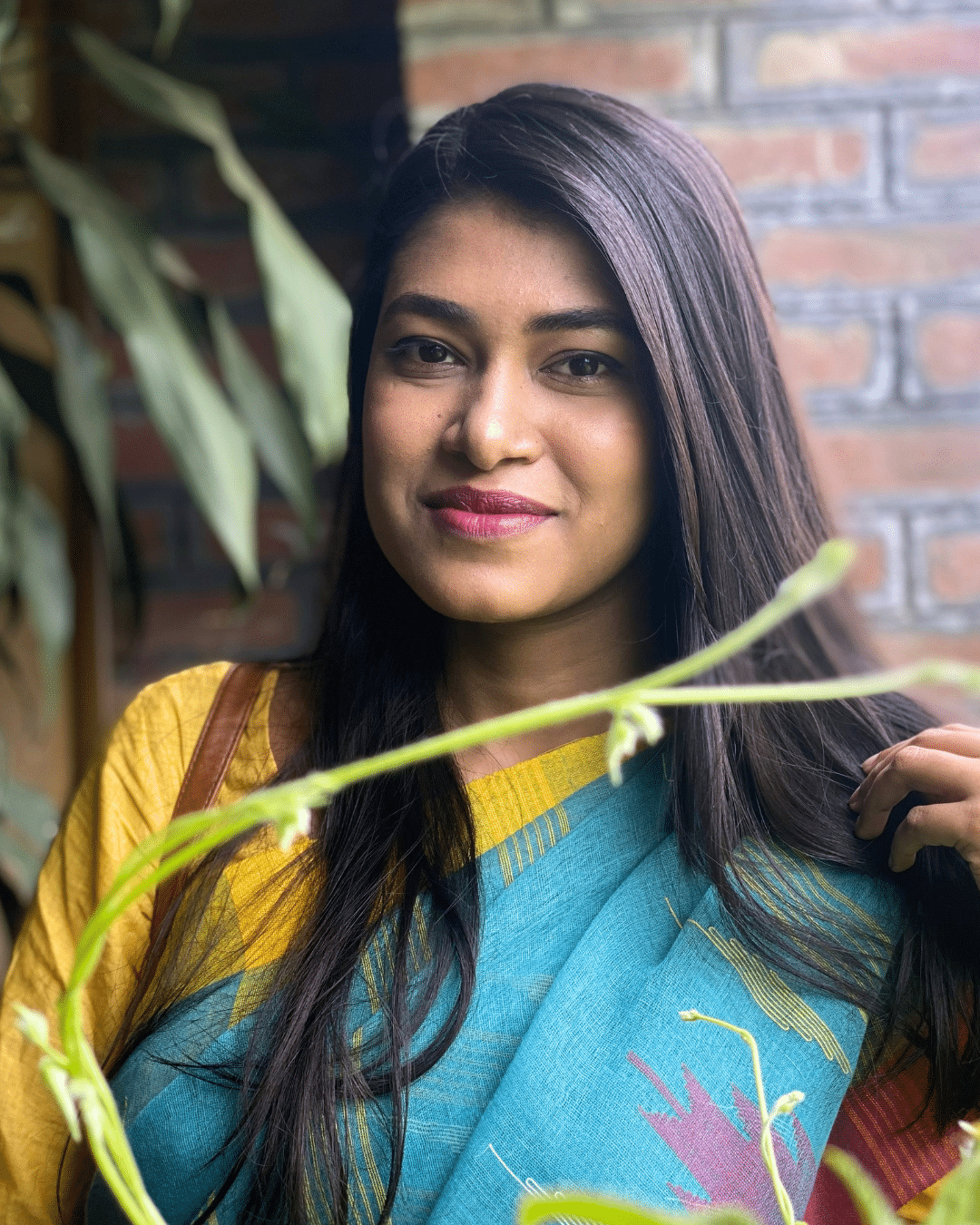
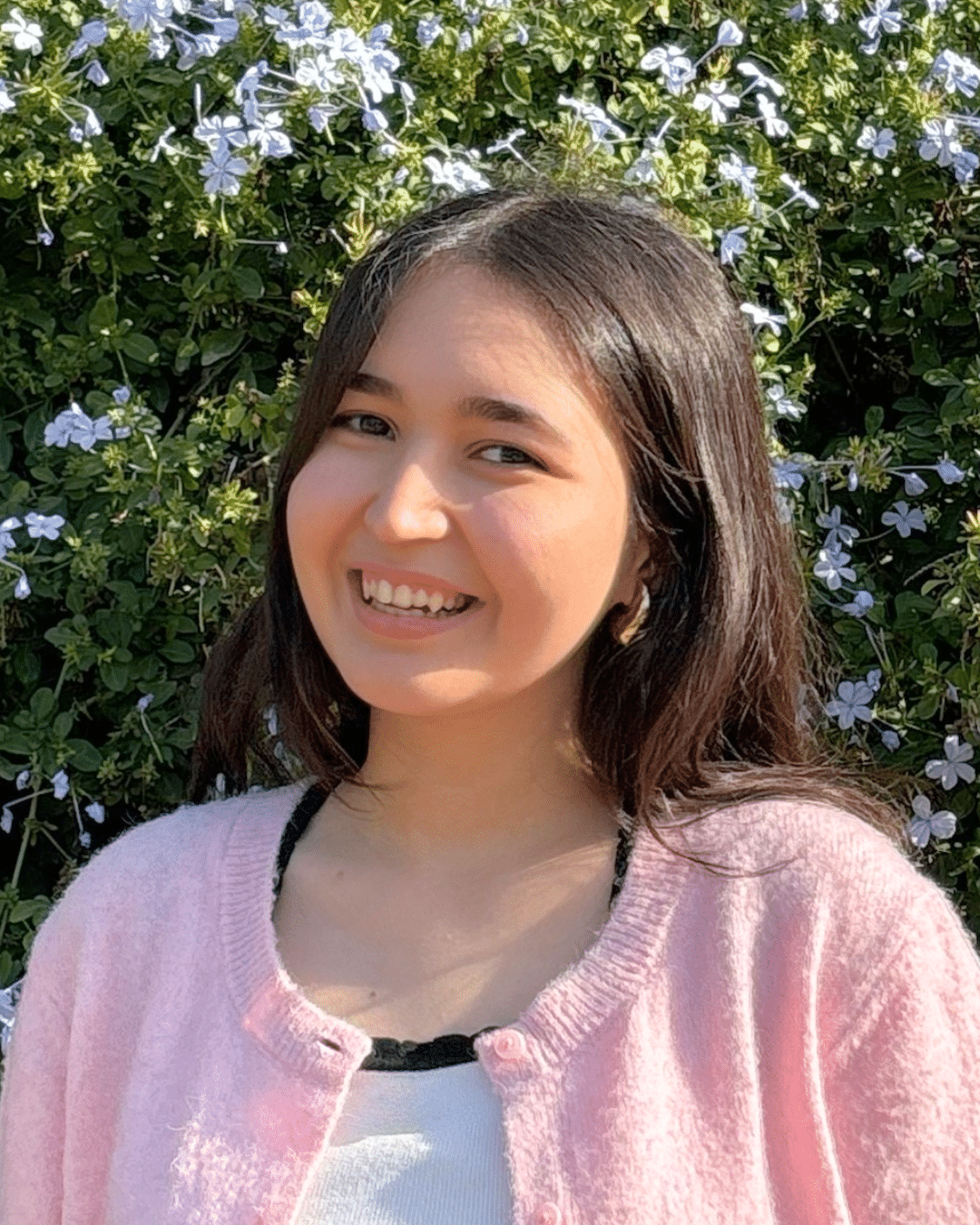
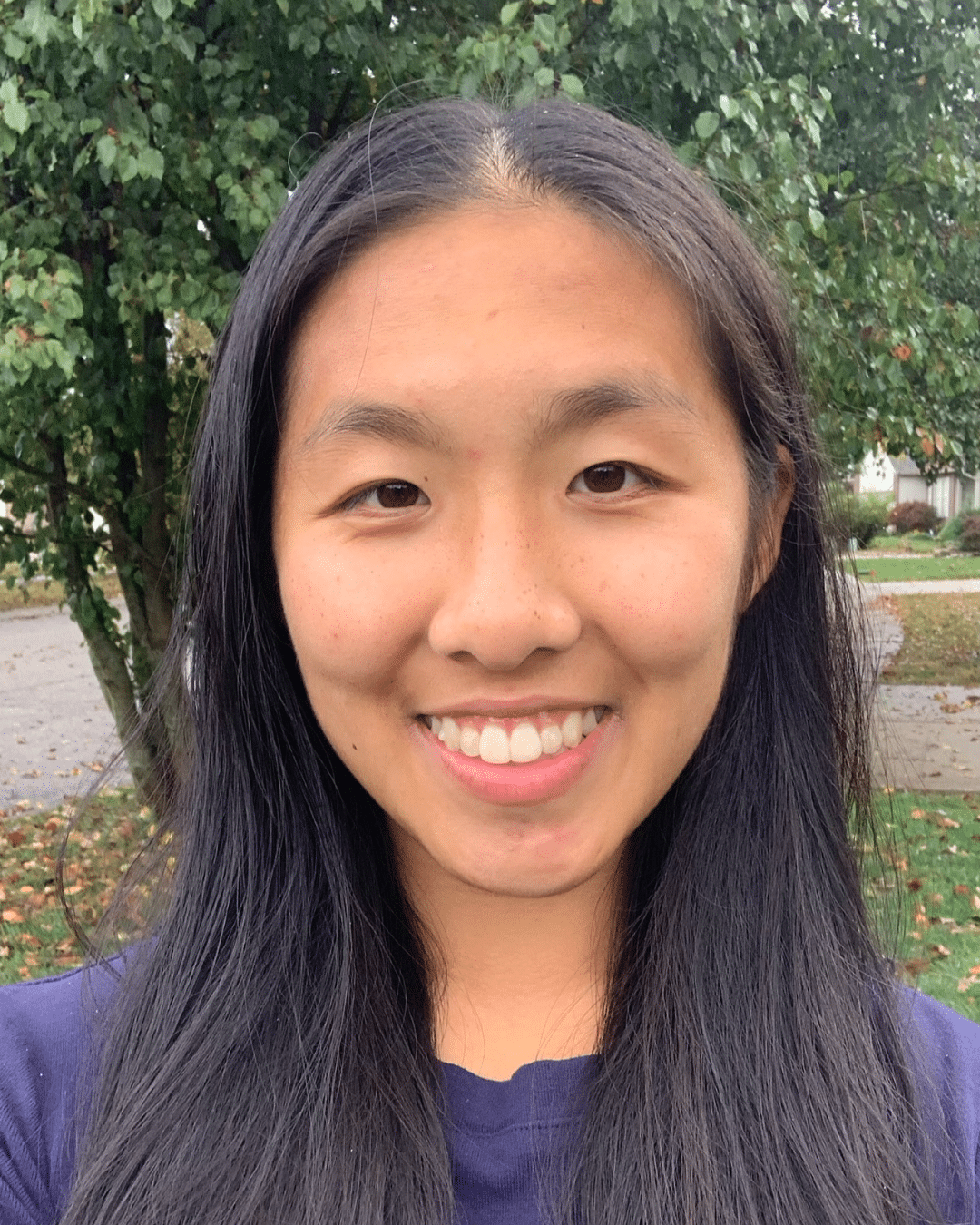
Rashida Yarigah Yin
Koforidua Technical University, Koforidua, Ghana
Rashida Yarigah Yin is from the Upper East Region of Ghana and is a student at Koforidua Technical University, pursuing a Bachelor of Technology in Procurement and Supply Chain Management. She has a strong interest in sustainability, agriculture, and community development, particularly in finding practical ways to reduce waste and create opportunities for young people. Through her initiative, Green Cycle Care, she is developing Anidasoɔ Bags (Bags of Hope) for Rural Learners, a community-based initiative that transforms discarded clothing and textile waste into durable school bags for children in underserved rural communities while creating paid opportunities for local artisans and reducing waste. Her involvement in youth mentorship and sustainability activities has strengthened her commitment to empowering young people and developing practical solutions that create lasting environmental and social value.
Climate Action Project
Anidasoɔ Bags (Bags of Hope) for Rural Learners is a community-based initiative that transforms discarded clothing and textile waste into durable school bags for children in Ghana’s Eastern Region. Addressing both textile waste and barriers to education, the project will collect unwanted garments, fabric offcuts, and reusable materials from households, schools, churches, and tailors. Materials will be sorted, cleaned, and upcycled into functional school bags, creating paid opportunities for skilled local artisans. Over five months, the initiative aims to produce and distribute 450 school bags free of charge to children in underserved rural schools. By connecting environmental sustainability with educational equity and local economic opportunity, Anidasoɔ Bags seeks to establish a replicable, community-supported model of textile reuse that reduces waste, supports livelihoods, and helps children access essential learning resources.
Team EcoEchoes
Newton North High School, Newton, Massachusetts, USA / Beijing International Bilingual Academy, Beijing, China
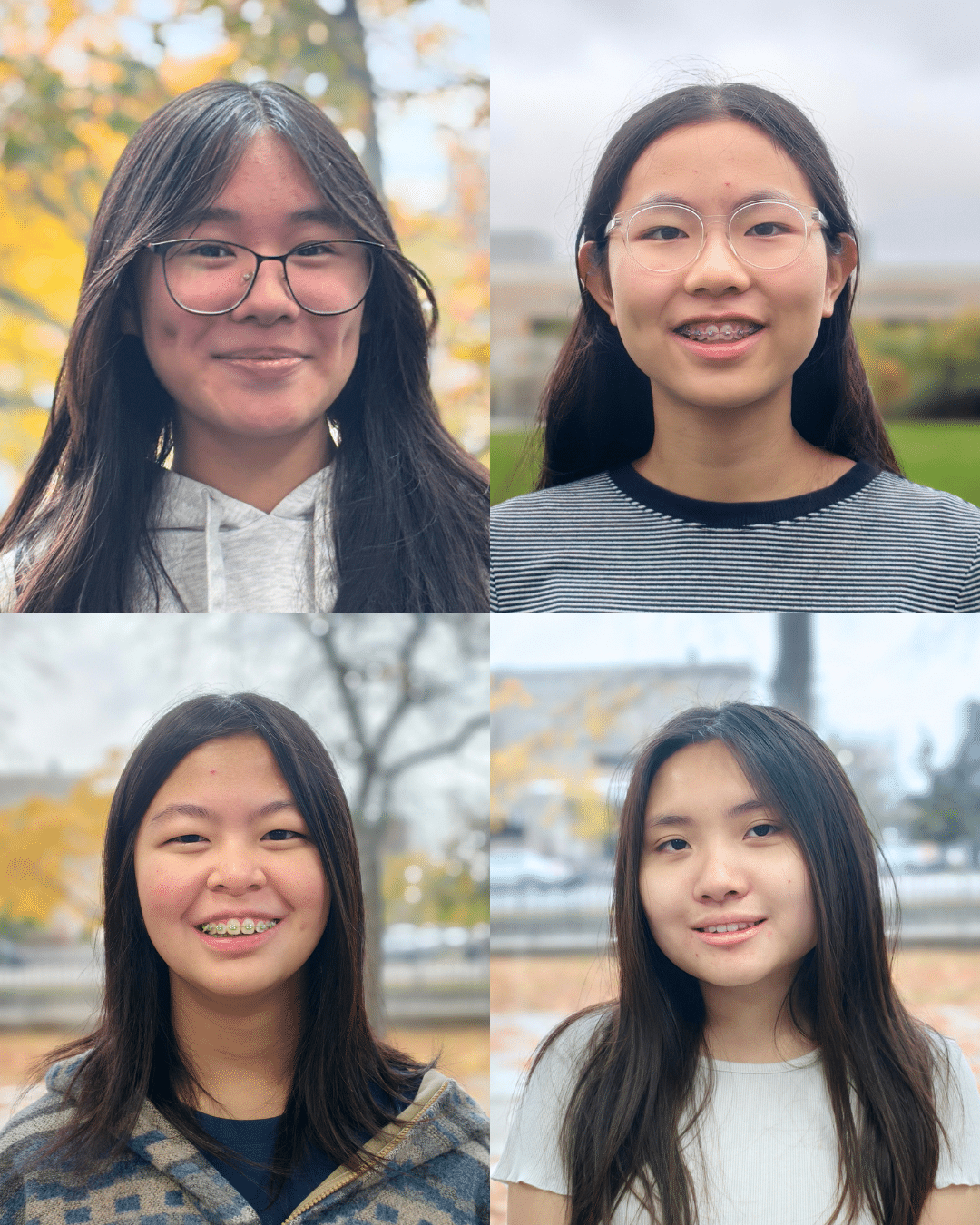
Team EcoEchoes is comprised of Amelia Zhang, Zixin Hong, Alicia Qiu, and Annie Zheng.
Amelia (Yurui) Zhang is a dedicated climate advocate from Newton, Massachusetts, and a student at Newton North High School. She is passionate about addressing environmental problems using both biology and public policy. She has conducted research on how certain artificial fertilizers affect the environment and human health and has lobbied elected officials and their staff in support of environmental legislation. As a member of Team EcoEchoes, she brings this passion to Project Green Challenge. This year, she is excited to work with her fellow students on a waste-reduction project at her high school, spread awareness through her organization and speeches, and continue her legislative advocacy.
Climate Action Project
The clean-energy outreach initiative draws on Green Newton’s clean-energy work to address residential gas heating. Citing research that attributes 60% of Newton’s greenhouse gas emissions to residential gas heating, the team plans to organize community booths explaining heat pump benefits, provide free energy guidance, and recruit student volunteers to strengthen youth participation in local climate action. The team will track completed home energy assessments to measure progress and combine resident education with policy advocacy. Its goal is to help households take practical steps toward cleaner energy while protecting local clean-energy resources.
Team Enviro-Mentors
Jericho High School, Jericho, New York, USA
Team Enviro-Mentors is comprised of Lori Li, Sophie Abraham, Joshua Horowitz, and Mariabella Young.
Lori Li is a student at Jericho High School from New York, USA, focused on the intersections of biology, public policy, and environmental advocacy. As a competitive debater, she engages with arguments centered on Indigenous justice and climate equity. Driven by a commitment to tangible ecological change, Lori looks forward to bringing Team Enviro-Mentors’ advocacy to the Project Green Challenge Finals. The team’s Climate Action Project is two-fold: increasing plant-based meal options at their school (having already engaged school board members) and partnering with the Town of Oyster Bay to install storm drain systems using native plants to filter out harmful runoff chemicals before they reach local waterways.
Climate Action Project
The proposed stormwater filtration initiative addresses nitrogen pollution in Long Island’s bays, where stormwater runoff can carry pollutants from roads and lawns into waterways, contributing to algal blooms and oxygen depletion. The team plans to propose native-plant storm drain filtration systems to the Town of Oyster Bay for areas with high runoff. These systems could help filter pollutants before they reach local waters. The team also intends to engage its school community and encourage students to take action on an environmental issue close to home, with the longer-term goal of supporting healthier waterways across Long Island.
Team Four Glasses On
SMA Unggulan CT ARSA Foundation Sukoharjo, Java, Indonesia
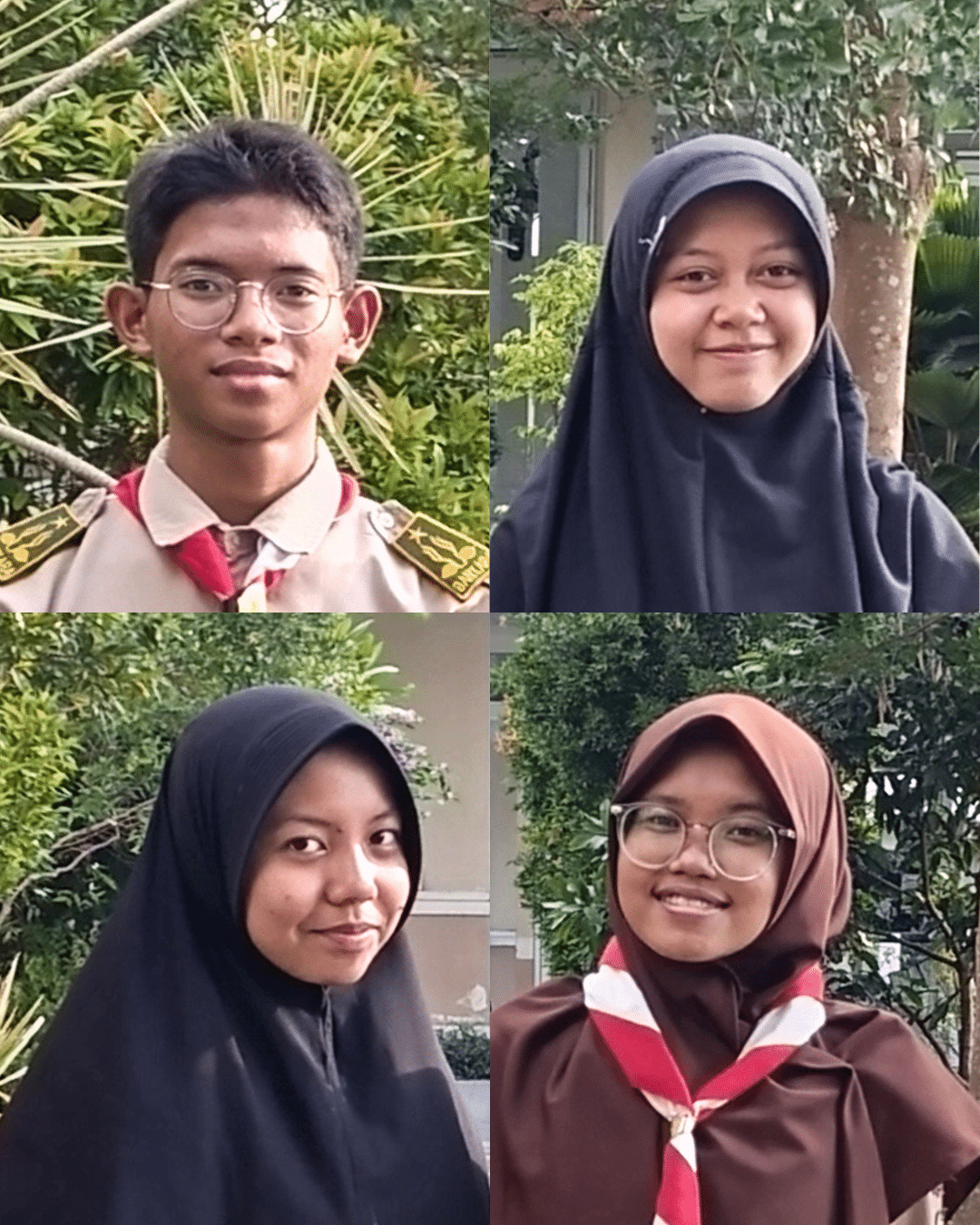
Team Four Glasses On is comprised of Mirza Kaysan Nawfal Ridha, Jernih Alirnya, Alena Hafni Rahmadewi, and Nailatul Ulya.
Mirza Kaysan Nawfal Ridha is a high school student from Sukoharjo, Indonesia, currently studying at CT ARSA Foundation Sukoharjo High School. He is passionate about environmental sustainability, scientific research, and youth-led initiatives that create positive change. As an active member of the Student Council, he is involved in promoting environmental awareness and encouraging sustainable practices, particularly within his school community. He enjoys exploring innovative solutions to environmental challenges, especially those related to waste reduction, renewable energy, and climate action. Through participation in Project Green Challenge with Team Four Glasses On, he aims to deepen his knowledge of sustainability, inspire his peers to become more environmentally responsible, and lead meaningful actions that create a positive impact. He believes that small actions, when taken collectively, can build a greener and more sustainable future.
Climate Action Project
Green School will transform small, unused areas of its boarding school into greener, more useful spaces. Because students live as well as study on campus, the team sees a healthy, comfortable environment as especially important. Over five months, the team plans to involve at least 30 students, grow five types of plants, and use three sustainable gardening methods: repurposed containers, water conservation, and soil improvement with organic materials. Students will care for the plants, record weekly progress in photographs and a garden log, and aim for at least 70% survival during the initial maintenance period. The project seeks to build environmental responsibility through collaborative, hands-on action.
Team Hability
Whitney M. Young Magnet High School, Chicago, Illinois, USA
Team Hability is comprised of Madison Li, Rongyi Chen, Abigail Ong and Kristin Tse.
Madison Li is a senior at Whitney M. Young Magnet High School and a member of Team Hability. She has a strong curiosity about the inner workings and underground systems that help the Earth and society function. From learning about plant biology to the benefits of composting, she enjoys sharing her findings with friends and her community. Outside of school, she enjoys going on walks with her dog and gardening. She has a strong interest in the negative impacts of climate change on aquatic ecosystems. Through her participation in Project Green Challenge, these concerns have expanded to fields such as fashion, fair trade, and cosmetics.
Climate Action Project
Project EcoFountain aims to reduce single-use bottle consumption while improving drinking water quality and accessibility. The team plans to restore and maintain school water fountains, including more frequent filter changes, to address concerns about cleanliness. It also proposes partnerships among city schools and recycling programs to responsibly handle used water filters. Student volunteers would help clean fountains, educate peers about water quality and sustainability, and organize reusable bottle drives. The team hopes to expand access to clean drinking water in underserved communities and work with fountain manufacturers on more water- and energy-efficient designs.