PROJECT GREEN CHALLENGE DAY 5
Challenge Doodle

Waste

CAN WE LIVE WITHOUT WASTE?

From busy city streets to remote coastlines, waste is piling up faster than we can manage. Each year, the world produces more than two billion tons of household waste, a number expected to nearly double by 2050. The impacts of waste are not shared equally: marginalized communities are often located near landfills, incinerators, and toxic dumping sites, while high-income countries export waste to nations with fewer resources, deepening global environmental injustice.

❝

There is no such thing as ‘away’. When we throw anything away, it must go somewhere.“
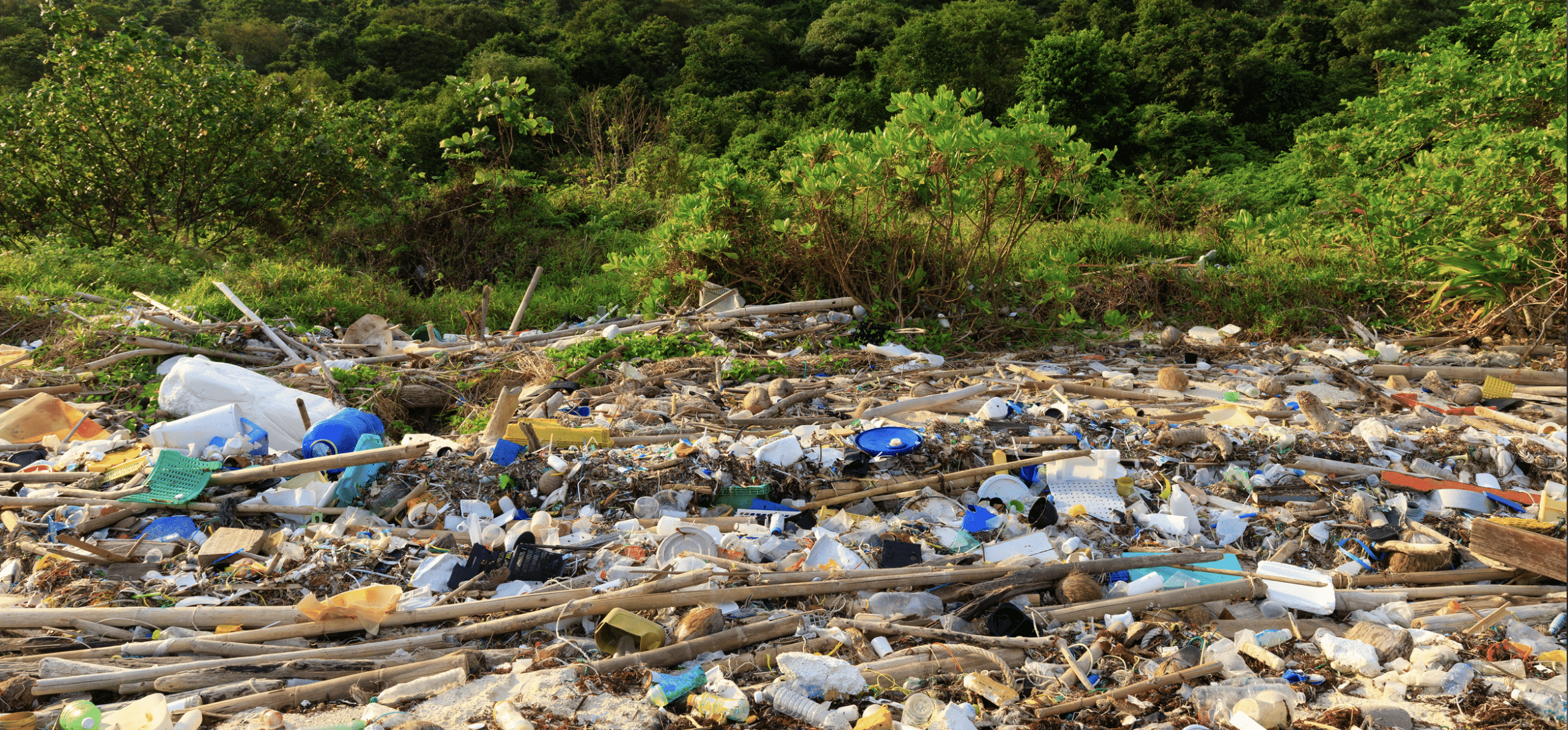
– Annie Leonard, Environmental Activist and Strategist
Read More ⌄

Plastics are among the most harmful forms of waste. Despite decades of recycling efforts, only about nine percent of all plastic ever produced has been recycled. The rest is buried, burned, or broken down into microplastics that infiltrate food, water, air, and even human bloodstreams. These particles persist for centuries, releasing toxins, disrupting ecosystems, and threatening human health.

The good news is that communities, schools, and grassroots movements worldwide are taking a different path forward. In the United States, Miami, Florida is implementing sweeping restrictions on single-use plastics at county properties and airports, signaling how local governments can lead. In Andhra Pradesh, India, women-led groups supported by an anti-plastic campaign are producing eco-friendly alternatives, showing how community leadership and systemic action can align.

Organizations and companies are also stepping up. The Story of Stuff Project sparks conversations and campaigns challenging wasteful systems. 5 Gyres conducts research and education to combat plastic pollution and advocate for policy change. Systemic change and everyday choices can reinforce one another.

This is not a crisis we can recycle our way out of. The most effective solutions prevent waste before it’s created by rethinking how products are designed, how materials are sourced, and how we consume.

By refusing what we do not need, reducing unnecessary purchases, reusing durable goods, and recycling responsibly, each of us can move toward a low-waste life. Paired with advocacy for systemic change, these choices protect communities, restore ecosystems, and help build a future where nothing is treated as worthless.

CHALLENGE

Green

20 POINTS

THINK

Every single-use product has a story: from the resources and labor that created it, to the energy used to transport it, to the decades or centuries it may spend polluting land, water, and communities, often with the greatest impacts on those already most vulnerable.

CHALLENGE

  • Watch The Story of Solutions by Annie Leonard.
  • Then view 5 Gyres’ Trash Academy episode on single-use plastics.
  • Record a short (1-2 minute) Instagram Reel sharing three key takeaways from the videos, including one change you will commit to making.
  • Tag @TurningGreenOrg, @StoryOfStuff, and @5Gyres, in both the image and caption, and #PGC2026

SUBMIT YOUR WORK

  1. Create a PDF: Combine your responses into a single PDF.
  2. Include: Your name (or team name), username, and school on the PDF.
  3. File Naming: firstname_lastname_day1_green_2026.pdf or teamname_day1_green_2026.pdf
  4. Example: kasie_jones_day1_green_2026.pdf or GreenTeam_day1_green_2026.pdf
  5. Avoid Symbols: (including #) or spaces in the file name.
  6. File Size: Must be under 5 MB.
  7. Submit: Upload your PDF. If you do not see the upload button, you need to login. A green confirmation message will appear if your submission is successful. If you don’t see this, please try again.
  8. Points: If your total points don’t update, your submission may not have uploaded correctly—please retry. 
  9. Check Score: Go to Edit Profile on the bottom navigation bar; your score appears at the top of the page.
  10. Questions: Email pgc@turninggreen.org.
  11. Social Media: Tag @TurningGreenOrg on Instagram and use #PGC2026.
The deadline for entering this challenge has passed.

Greener

40 POINTS

THINK

How often do you actually see the waste you produce? “Out of sight, out of mind” is common when we toss things “away” without a second thought. But what if you had to confront it every day? By becoming aware of your own waste footprint, you can better understand its environmental impact and start rethinking what you discard.

CHALLENGE

  • Carry a bag with you for an entire day and collect everything you would normally throw away, wherever you are.
  • Use your bag of waste as a conversation starter––talk to friends, family, classmates, and community members about waste and its impact.
  • Keep a journal throughout the day noting conversations and reactions to your visible waste collection.
  • At the end of the day, sort your waste into recyclables, non-recyclables, and compostables, following local recycling guidelines.
  • Pick two items from your waste collection and research reusable alternatives that could replace them. 
  • Take a photo of your sorted waste and share it on Instagram, explaining in your caption how you plan to reduce similar waste in the future and which reusable options you’ll try.
  • Tag @TurningGreenOrg, @StoryOfStuff, and @5Gyres in both the image and caption, and #PGC2026.

SUBMIT YOUR WORK

    1. Create a PDF: Combine your responses into a single PDF.
    2. Include: Your name (or team name), username, and school on the PDF.
    3. File Naming: firstname_lastname_day1_greener_2026.pdf or teamname_day1_greener_2026.pdf
    4. Example: kasie_jones_day1_greener_2026.pdf or GreenTeam_day1_greener_2026.pdf
    5. Avoid Symbols: (including #) or spaces in the file name.
    6. File Size: Must be under 5 MB.
    7. Submit: Upload your PDF. If you do not see the upload button, you need to login. A green confirmation message will appear if your submission is successful. If you don’t see this, please try again.
    8. Points: If your total points don’t update, your submission may not have uploaded correctly—please retry. 
    9. Check Score: Go to Edit Profile on the bottom navigation bar; your score appears at the top of the page.
    10. Questions: Email pgc@turninggreen.org.
    11. Social Media: Tag @TurningGreenOrg on Instagram and use #PGC2026.
The deadline for entering this challenge has passed.

Greenest

60 POINTS

THINK

Waste doesn’t have to end up in landfills — it can be transformed into something beautiful and meaningful. Around the world, artists are turning discarded materials into creative works that challenge how we perceive waste, spark important conversations, and reduce environmental impact. Art becomes activism when it reframes trash as a resource and invites people to imagine new possibilities.  

CHALLENGE

  • Start by watching a short video on recycled art to see how artists around the world turn discarded materials into powerful works of creativity. 
  • Explore an article highlighting global artists who use trash as their medium––notice the textures, shapes, and messages they create from what others throw away.
  • Next, gather items from your own surroundings — anything you might otherwise toss — and transform them into a unique piece of art. Experiment with form and materials, and let your imagination guide you. 
  • Once complete, write a short reflection on your process: what inspired you, how you chose your materials, and what message your piece conveys about waste and sustainability.
  • Take a photo of your artwork and post it on Instagram including part of your reflection in the caption.
  • Give a shout-out to zero-waste organizations, artists, or accounts that inspire you.
  • Tag @TurningGreenOrg, @StoryOfStuff, and @5Gyres in both the image and caption, and #PGC2026.

SUBMIT YOUR WORK

    1. Create a PDF: Combine your responses into a single PDF including any links.
    2. Include: Your name (or team name), username, and school on the PDF.
    3. File Naming: firstname_lastname_day1_greenest_2026.pdf or teamname_day1_greenest_2026.pdf
    4. Example: kasie_jones_day1_greenest_2026.pdf or GreenTeam_day1_greenest_2026.pdf
    5. Avoid Symbols: (including #) or spaces in the file name.
    6. File Size: Must be under 5 MB.
    7. Submit: Upload your PDF. If you do not see the upload button, you need to login. A green confirmation message will appear if your submission is successful. If you don’t see this, please try again.
    8. Points: If your total points don’t update, your submission may not have uploaded correctly—please retry. 
    9. Check Score: Go to Edit Profile on the bottom navigation bar; your score appears at the top of the page.
    10. Questions: Email pgc@turninggreen.org.
    11. Social Media: Tag @TurningGreenOrg on Instagram and use #PGC2026.
The deadline for entering this challenge has passed.

Extra Credit

POINTS

Extra Credit is due on October 12 at 8am PT. Up to 100 points will be awarded for outstanding work.


THINK

“Making a personal decision to avoid plastic is a great place to start – but a terrible place to stop. To create a future without plastic pollution, we need to work together to make the right decisions easy in an economy that works for everybody.”
— The Story of Plastic

In a world overwhelmed by plastic pollution, The Story of Plastic uncovers the hidden truths behind the waste crisis and the systemic forces driving it. How can we turn awareness into collective action?


CHALLENGE

  • Watch the film (email pgc@turninggreen.org for the password), then create a written or video review as if it were being published for a wider audience.
  • In your review, address: three key takeaways, something that surprised you, the message you’ll share with others, how the film inspires you to act, and three specific actions you’ll take to reduce plastic waste. 


SUBMIT YOUR WORK

    1. Create a PDF: Combine your responses into a single PDF.
    2. Include: Your name (or team name), username, and school on the PDF.
    3. File Naming: firstname_lastname_day7_extracredit_2026.pdf or teamname_day7_extracredit_2026.pdf
    4. Example: kasie_jones_day7_extracredit_2026.pdf or GreenTeam_day7_extracredit_2026.pdf
    5. Avoid Symbols: (including #) or spaces in the file name.
    6. File Size: Must be under 5 MB.
    7. Submit: Upload your PDF. If you do not see the upload button, you need to login. A green confirmation message will appear if your submission is successful. If you don’t see this, please try again.
    8. Points: If your total points don’t update, your submission may not have uploaded correctly—please retry. 
    9. Check Score: Go to Edit Profile on the bottom navigation bar; your score appears at the top of the page.
    10. Questions: Email pgc@turninggreen.org.
    11. Social Media: Tag @TurningGreenOrg on Instagram and use #PGC2026.
The deadline for entering this challenge has passed.