The most powerful climate solutions begin with a promise: a bold, specific, and impactful commitment to act. In the face of escalating climate impacts, this is more than a personal pledge; it is a public declaration that fuels accountability, inspires collaboration, and delivers measurable results. Around the world, leaders, communities, and organizations are setting ambitious commitments to accelerate climate action, proving that transformation is possible when we hold ourselves accountable.

The urgency is both undeniable and measurable. To keep the planet within safe temperature limits, global greenhouse gas emissions must decline sharply in the coming years. Meaningful climate action must happen at every level: personal, community, municipal, and global.
The concept of a Commitment to Action, popularized by the Clinton Global Initiative (CGI), is a powerful model for making promises that truly matter. CGI Commitments to Action are clear, specific, and time-bound, designed to mobilize diverse partners, resources, and strategies to achieve measurable results. They show that when intention is paired with accountability and collaboration, transformation is possible.
Commitments gain power when people organize to turn them into action. Grassroots activism brings communities together to confront challenges, amplify voices and demand change from the ground up. From Kenya’s Green Belt Movement, which has mobilized communities around reforestation and environmental stewardship, to the work of Goldman Environmental Prize winner Andrea Vidaurre, whose organizing helped secure stronger emissions standards for trucks and trains in California, grassroots advocates demonstrate how local action can drive systemic transformation.
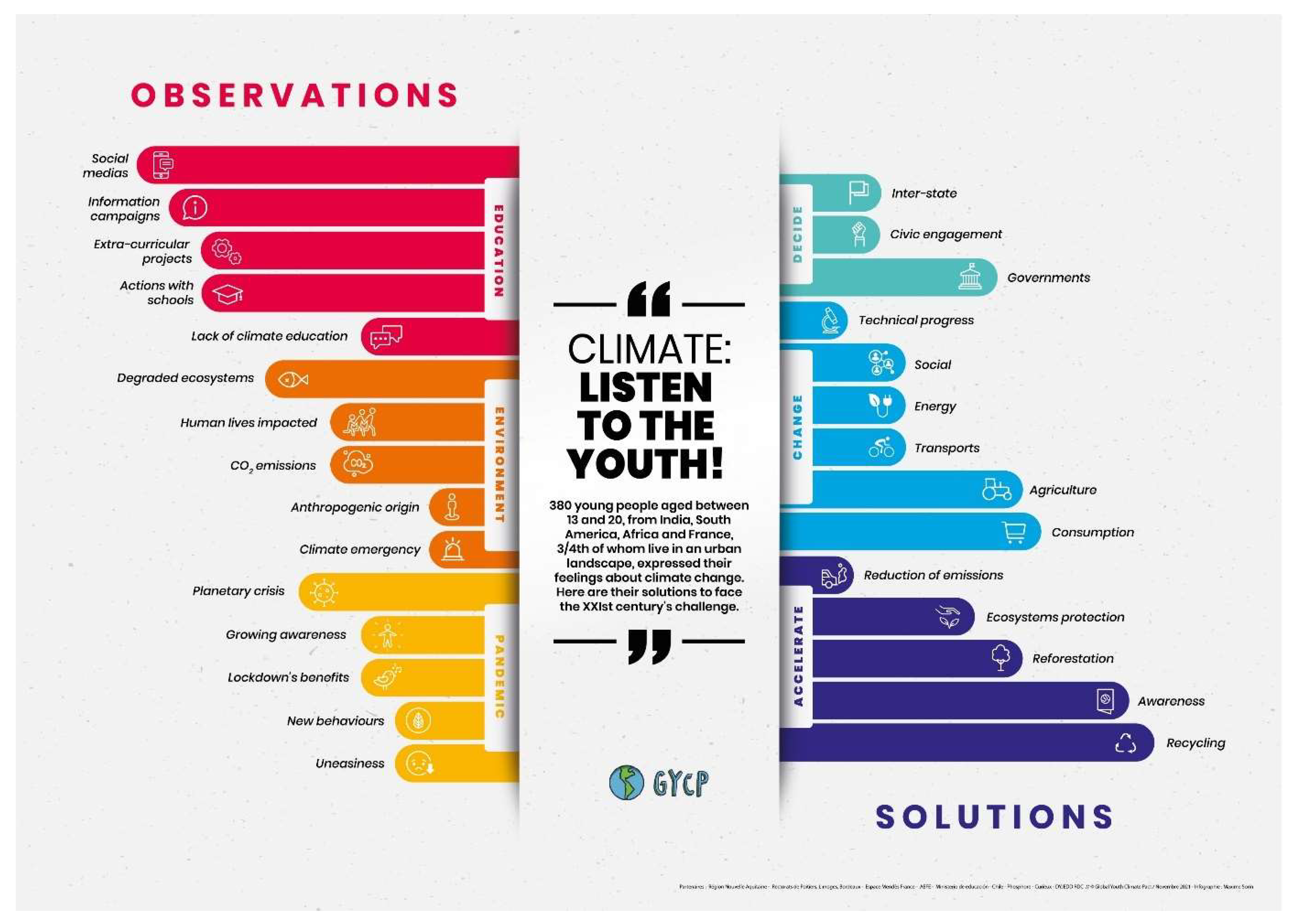
Young people are powerful forces in these movements, bringing urgency, creativity and determination to the issues shaping their futures. Organizations like Earth Guardians empower youth to lead environmental and social justice initiatives, while Citizens’ Climate Lobby equips volunteers to engage decision-makers and advance climate solutions. Their work reveals a pathway from awareness → action → impact: identifying an issue, mobilizing people, influencing decisions and achieving measurable change. Understanding how others navigate that pathway can help you define your own commitment and build a strategy to make it real.
Global frameworks like the Paris Climate Agreement represent historic collective commitments made by nations to limit global temperature rise. These agreements set the direction, but it is networks of Mayors supporting climate leadership like C40 Cities and Climate Mayors in the U.S. that bring them to life by translating high-level goals into tangible, local action. From transitioning entire bus fleets to zero emissions, to mandating net-zero building codes, to reimagining urban green space, these efforts prove that ambitious commitments can be implemented at scale.
Yet commitments are not solely the domain of governments, mayors, or multinational organizations. They belong to all of us. Turning Green — the non-profit that powers Project Green Challenge — has shown how young people worldwide can take ownership of their role in the climate movement by transforming daily choices, mobilizing peers, and driving systemic change through education, creativity, and persistence.
A commitment is more than a statement of intention. It is a bridge between belief and action — a living promise that demands follow-through. Advocacy gives voice to what matters; commitment defines what we will do about it. Whether made by a single student, a community group, a city, or an entire nation, commitments create shared purpose and direction. As you explore the movements that inspire you, consider where your own voice, passion and leadership can make a difference. The commitment you define today can become the foundation for meaningful change tomorrow.
RESOURCES
CHALLENGE
Over the past month, you’ve explored the challenges facing our planet, discovered innovative solutions and taken action on issues that matter. Some themes may have resonated more deeply, revealing where your passions, purpose and potential for impact intersect.
Meaningful change often begins by learning from those already leading the way. By exploring how grassroots organizations turn awareness into action and action into impact, you can discover what effective advocacy looks like — and begin imagining your own role in creating change.
Every global movement begins with an idea — and someone willing to act on it. You’ve explored an issue you care about and learned how others create impact. Now it’s your turn to imagine what change could look like in your own school, community or region.
Inspiration becomes meaningful when paired with commitment. A Theory of Change helps transform an idea into a clear vision of success, beginning with the outcome you hope to achieve. Your commitment today can become the foundation of your Climate Action Project (CAP).
Your commitment is the starting point, but meaningful change requires a pathway from vision to reality. You’ve identified the outcome you want to achieve. Now, consider who can help make it happen and what actions will move your idea forward.
A Theory of Change connects three essential elements: Strategies → Targets → Outcomes. Together, they show how your actions can influence people, institutions or systems to create measurable impact. This is the foundation for turning your commitment into a Climate Action Project.