
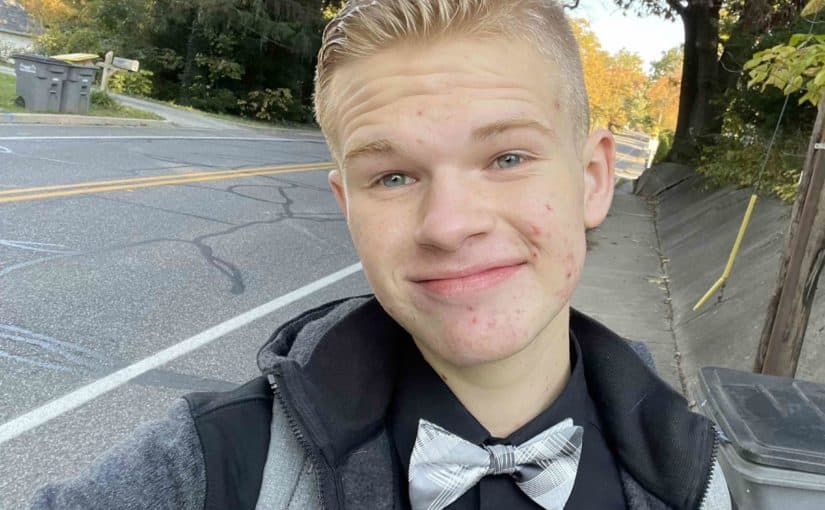
Ethan is the Executive Director of Confront the Climate Crisis, the PGC 2020 Third Place Finalist and a West Lafayette Jr./Sr. High School Student. Through multiple organizing efforts, Ethan Bledsoe is galvanizing residents in his hometown and young people across the state to push for meaningful climate action in Indiana. In West Lafayette, Bledsoe co-founded the youth-led West Lafayette Climate Strike, which planned multiple local climate strikes and worked with city officials to pass a climate resolution in 2019. Later, Bledsoe co-authored an amendment to the resolution to establish a 2038 carbon neutrality goal for the city and contributed to West Lafayette’s climate emergency declaration adopted in February 2021. To increase climate literacy in his community, Bledsoe developed a STEM-based, climate resilience campaign called Climate Kidz. The campaign engages local youth on resilience and sustainability through hands-on projects that span vertical gardening, composting, native plants, and little free libraries. Through West Lafayette Climate Strike, Bledsoe helped launch a statewide network for student climate activists in September 2020 called Confront the Climate Crisis through which he is drafting statewide legislation for the 2022 session. He is an active member of the Sierra Club Hoosier Chapter.
Archives: People
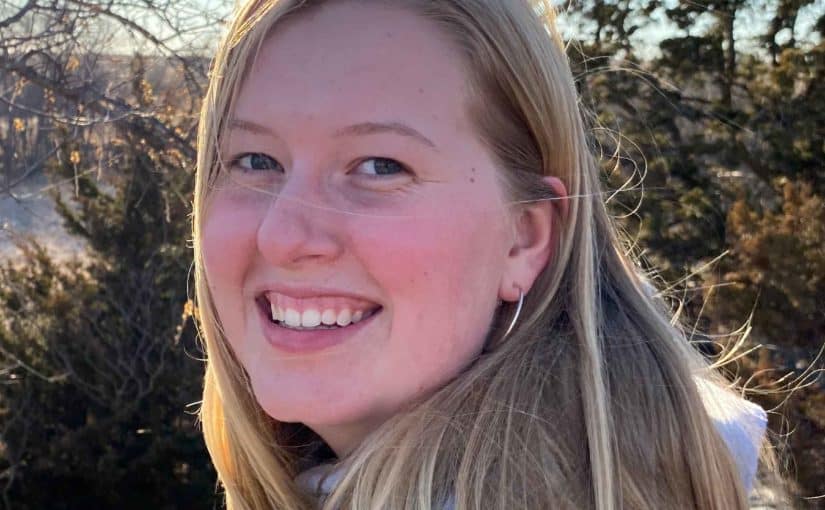
Elise Gard
Elise is a senior at the University of Kansas majoring in Environmental Studies. She is really passionate about the environment, working with school and local garden projects for eight plus years, as well as at Monarch Watch, which promotes the preservation of pollinators throughout the United States. In her free time, she loves cooking, making art, admiring her house plants, and running a small earring business. Elise was a Project Green Challenge 2020 Finalist and now looks for ways to do everything more sustainably. She doesn’t want to stop learning or making change in her community and seeks to craft a career around environmental justice and working toward a safe, sustainable future.
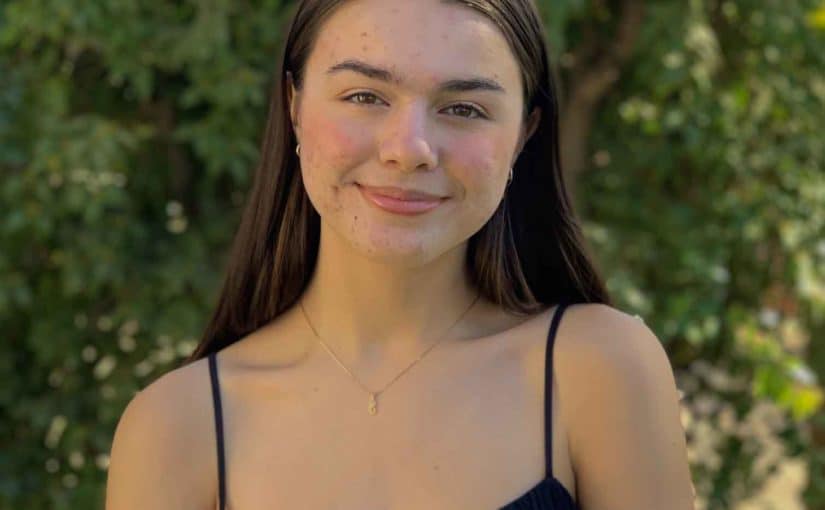
Cami Child
PGC PORTFOLIO VIDEO PRESENTATION
Cami is a junior at Granada Hills Charter High School. In ninth grade, she began to explore the problems that humans cause in nature and the ways the planet is becoming sick because of those actions, going vegan after discovering the negative effects of the meat and dairy industry on the environment, health and welfare. She has participated in clubs, her school’s Envirothon team to apply science to real-life management and conservation, and now Project Green Challenge to learn more about environmentalism, consciously shift behavior, limit waste, especially food waste, and take part in impactful actions for the good of the planet, while influencing family and friends to do the same.
Five words to describe PGC: informative, empowering, shocking, influential, exciting
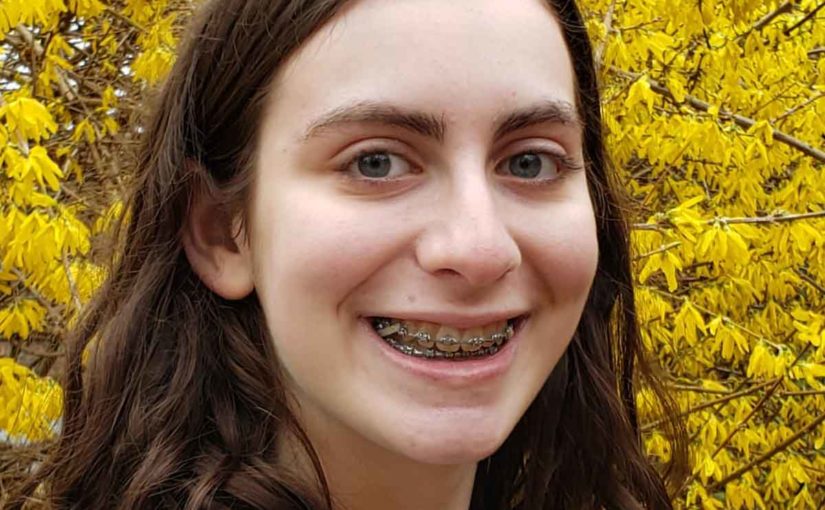
Brielle Taubenblatt
PGC PORTFOLIO VIDEO PRESENTATION
Brielle is a junior at Winston Churchill High School in Maryland. She has always had an interest in science, volunteering at a kids’ hands-on science museum, participating in the Catching a Wave Planetary Wave Project, and receiving the Girls in Technology STEM Education Experience Scholarship. In her free time, she likes to hike, cook, read books, and learn languages, currently studying Spanish and American Sign Language. Project Green Challenge taught Brielle how to act on her passion for the environment, pushing her out of her comfort zone to further change actions, reduce impact, recognize global impacts, speak up on issues, and now inspire even younger leaders around positive change and sustainable living through climate education.
Five words to describe PGC: educational, impactful, unique, transformative, inspiring
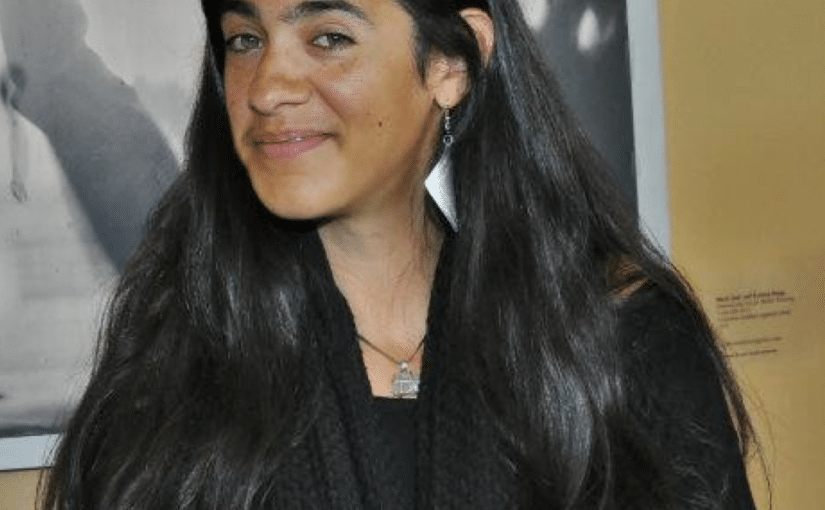
MICHELLE GABRIELOFF-PARISH
Michelle Gabrieloff-Parish is the Energy and Climate Justice Manager at the University of Colorado Boulder’s Environmental Center. A former US State Department BoldFood fellow and Center for Progressive Leadership fellow, she now works to illuminate the connections between sustainability and social justice, bringing students and partners together to work on the issues, equip them with the tools to address communal and global challenges, and reduce Boulder’s climate footprint through innovative projects, programs and events.
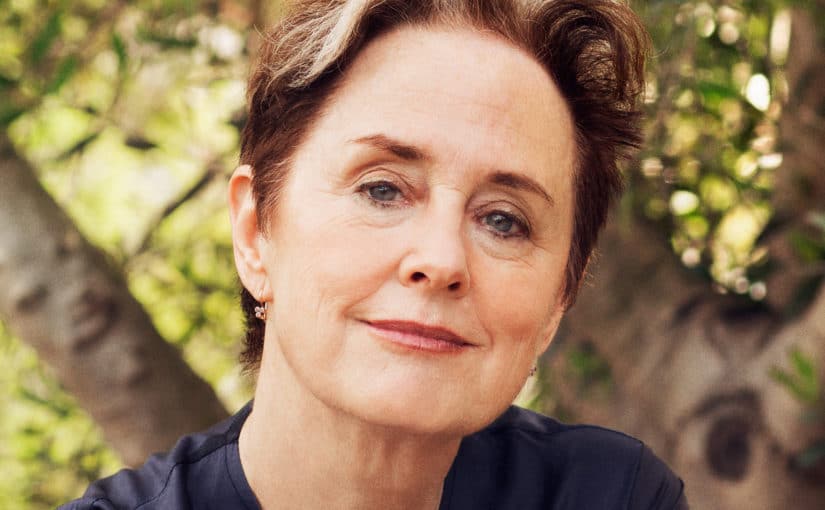
ALICE WATERS
Alice Waters is a chef, author, food activist, and the founder and owner of Chez Panisse Restaurant in Berkeley, California. She has been a champion of local sustainable agriculture for over four decades. In 1995 she founded the Edible Schoolyard Project, which advocates for a free school lunch for all children and a sustainable food curriculum in every public school.
She has been Vice President of Slow Food International since 2002. She conceived and helped create the Yale Sustainable Food Project in 2003, and the Rome Sustainable Food Project at the American Academy in Rome in 2007.
Her honors include election as a Fellow of the American Academy of Arts and Sciences in 2007; the Harvard Medical School’s Global Environmental Citizen Award, which she shared with Kofi Annan in 2008; and her induction into the French Legion of Honor in 2010. In 2015 she was awarded the National Humanities Medal by President Obama, proving that eating is a political act, and that the table is a powerful means to social justice and positive change.
Alice is the author of sixteen books including her critically acclaimed memoir, Coming to My Senses: The Making of a Counterculture Cook, the New York Times bestsellers The Art of Simple Food I & II, and The Edible Schoolyard: A Universal Idea.
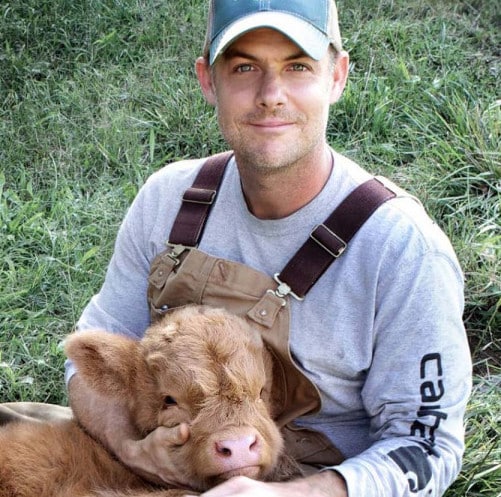
JOHN CHESTER
John and Molly Chester, a husband and wife team, left their job titles of ‘documentary filmmaker’ and ‘private chef’ to become farmers and pursue their dream vision of starting Apricot Lane Farms in 2011. If you saw him elbow deep in a cow assisting a difficult birth, you’d never guess that John Chester spent the first 20 years of his career making documentary films. As the director of such critically-acclaimed films as Lost in Woonsocket (OWN) & Rock Prophecies (PBS), as well as the star and show runner of Random 1 (A&E), John has built many teams in his career, which certainly helps to develop the amazing group of people at Apricot Lane Farms.
In addition to serving as farm manager with wife Molly Chester, John heads up the Apricot Lane Holistic Livestock Program, runs the day-to-day operations of the farm, and manages their active WWOOF program. John’s passion for animals is exemplified in the documentary series he made for Animal Planet and in the way he guides the very unique livestock program on the farm. The surprise ending is that for this filmmaker, farming isn’t such a stretch; during his early years in film, John spent his spare time between projects running his family’s farms, gaining experience vital to his present career.
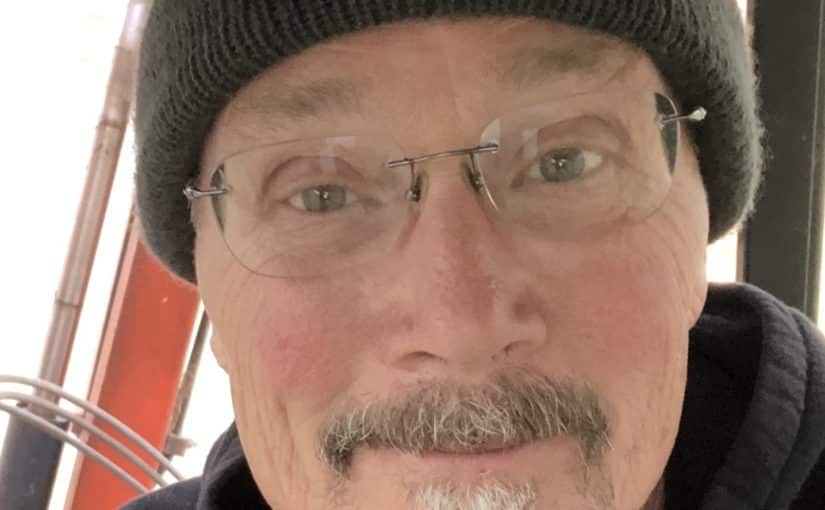
JOHN WICK
John and his wife Peggy Rathmann own and operate the Nicasio Native Grass Ranch where John manages naturally occurring microbes, molecules, and sunshine to promote the establishment of healthy soils. John co-founded the Marin Carbon Project in 2007. He served as Founding Board Member of Project Drawdown, and is currently on the inaugural Board of the Perennial Farming Initiative.
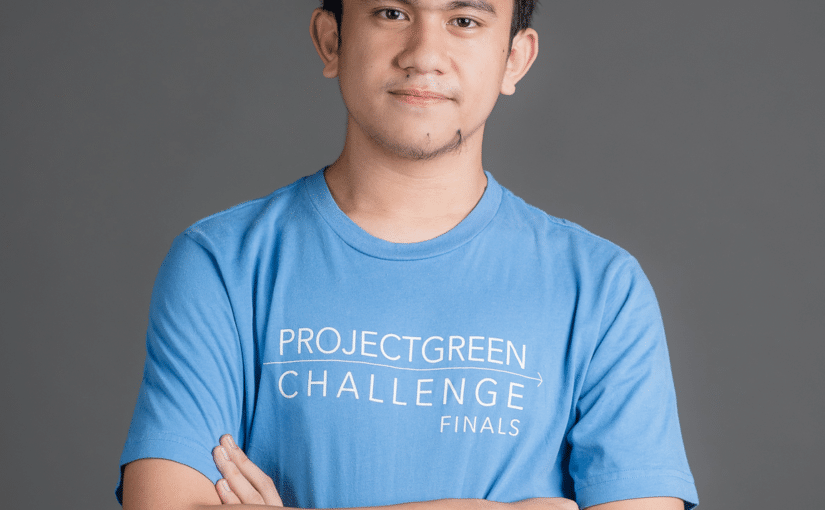
JOHANNES TRE MAQUILING
Johannes is studying Biology as a college student in the Philippines.
“The biggest and most visible impact Turning Green had on my life is definitely on my family and I’s lifestyle. We are much more conscious as consumers and as citizens of the world. We attempt at every chance we get to influence those we know and those around us to act the same.”
One word to describe Turning Green? Transforming!
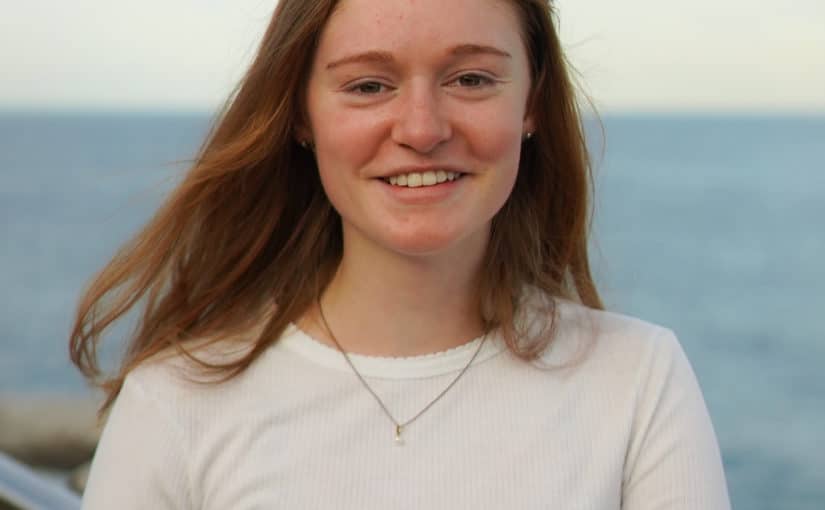
Julia Leonard
Julia is a senior at Champlain College in Burlington, Vermont, studying Broadcast Media Production and Motion Graphics. She grew up in Exeter, New Hampshire and is a sucker for fall foliage. She loves hiking, mangoes, bucket hats, and secondhand stores. She feels incredibly grateful to have completed PGC 2019 and has learned so much!
What five words would best describe your PGC experience?
Creating confidence and impactful outreach
Think about yourself pre-PGC, just 30 days ago, and then think about who you are today. How have your changed? What have you learned about yourself?
“The amount that I changed is considerable, although gradual. Day one I wasn’t even going to go through with the challenge because it required posting a video on Facebook and explaining why I was doing the challenge. Not only did I not know why, but I didn’t even know if I actually wanted to. That first step was the catalyst for everything to come. Each challenge pushed me a little more into seeing how to interact with the world but also how I am able to interact with it to instill change. Confidence is key. I’ve gained not only that, but I’ve learned I am powerful! I desire to seek out change, compassion and education. My voice is a tool and a gift and I finally see how I can use it.”
What was the most memorable aspect of PGC for you?
“One part of PGC that stood out to me was just about a week ago. I had been making those infographic calligraphy drawings for a little bit and posting on social media a lot more than I ever had before. I opened Instagram a bit after posting another story and I had a message from my sister’s best friend from high school, Ann. Ann shared a message from a friend asking her “Do you know any environmental people? I have a question about plastic.” She reached out to me after seeing my posts for answers to his questions. I was not only the first person she reached out to, but I was able to answer his questions in an educated and thoughtful way. They were both super appreciative and I was shocked. It was when I realized I had the tools! I could make change by doing things I loved like calligraphy and video!”
After 30 days of bold and brilliant work and newly acquired wisdom, how will you best put it to use?
“Putting this new wisdom to work takes two different (but very predictable focuses): Changing within and Changing what’s around. The first step is challenging, but not as hard as the second. New practices have become habits and some changes are still a work in progress. Now that I know where I can improve my life, I will be taking those steps to vote with my dollar, reduce my waste, and continue to increase my confidence. This leads to changing what’s around. Yes, I have the climate action progress in place, but I also started a side project that I feel very passionately about. Reducing waste during Orientation and special events on campus is my way of building a more sustainable world and showing people how it can be done.I was led to this path by others and now I will lead by example.”


